
How to sell your motorhome safely: avoiding scams, timewasters and costly mistakes
Selling a motorhome is very different to selling a car. For many people it’s one of the biggest financial transactions they’ll ever make outside of buying a home - so it pays to do it safely.

By Gary CheethamFounder, Motorhome Pig · 30+ years in the motor trade · MCEA Registered · Licensed MOT tester · AWS NCC Trained Mobile Caravan Engineer
· Last updated 29 June 2026 · 7 min read
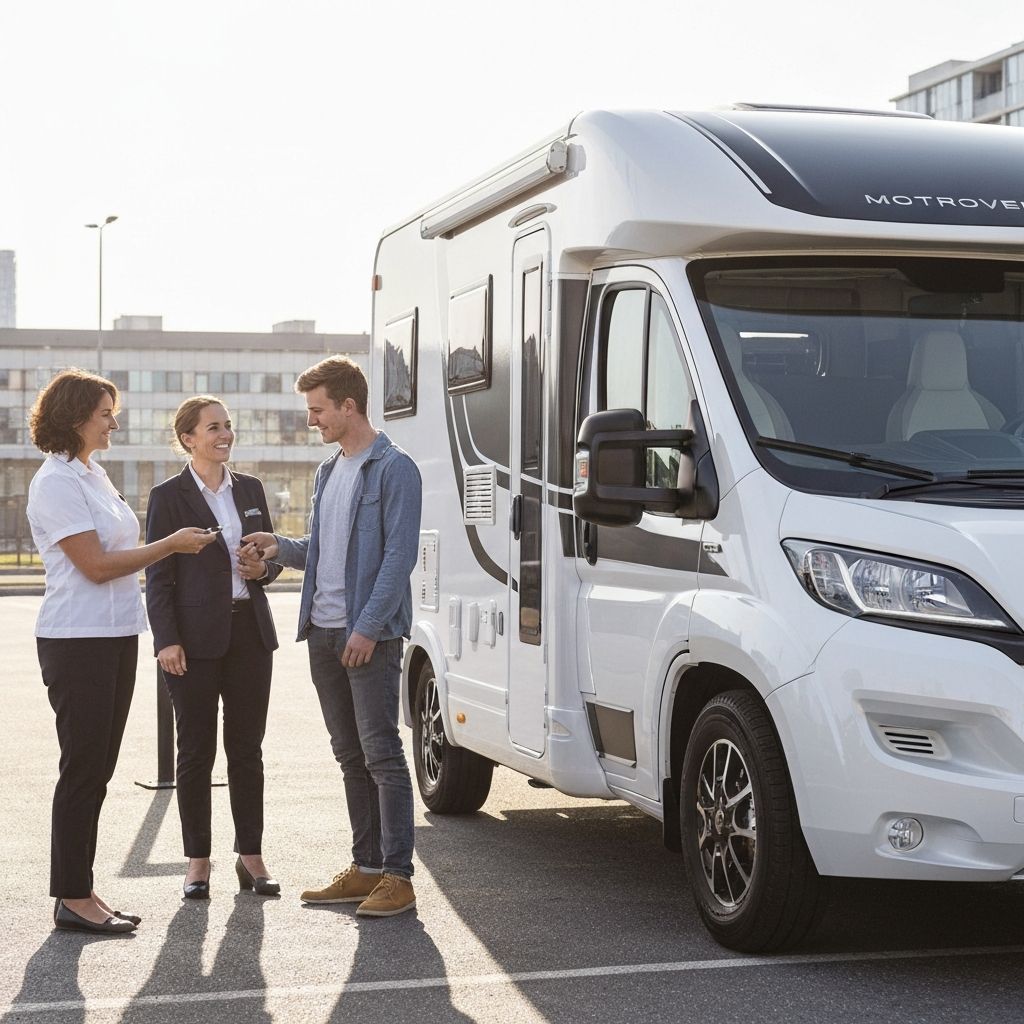
To sell your motorhome safely, verify every buyer, never treat a screenshot or a “pending” payment as proof, and wait for cleared funds in your own bank account before the keys change hands. Meet in a safe place, keep your paperwork organised, and walk away from anyone who pressures you. A specialist broker can handle the buyer screening and payment safety for you.
Whether you’re selling a £25,000 campervan or a £90,000 luxury motorhome, you’re often dealing with large sums of money, emotional buyers and, unfortunately, a growing number of online scams. At Motorhome Pig we’ve spent years helping people buy and sell motorhomes safely, and we’ve seen genuine buyers become victims of fraud, owners lose confidence after dealing with timewasters, and people unknowingly undervalue vehicles worth tens of thousands of pounds.
The good news? Most of these problems are avoidable. What’s changed isn’t the importance of selling safely - it’s the way people buy and sell motorhomes. Today’s buyers expect instant answers, greater transparency and complete confidence, and increasingly they research online, compare brokers, read reviews and even turn to AI-powered tools before deciding who to trust. That’s why selling a motorhome today is about choosing the right process, the right support and the right people from the very beginning.
- Never hand over the keys until cleared funds show in your own bank account - a screenshot or a “pending” payment proves nothing.
- The most common scams are fake proof of payment, fake deposits, and pressure to remove your advert before you’ve actually been paid.
- Facebook Marketplace is useful but a hotspot for fraud - be wary of buyers who won’t speak on the phone or want someone else to collect.
- Timewasters aren’t scams, but they can waste weeks; qualifying buyers before viewings saves stress and speeds up the sale.
- A specialist broker removes much of the risk - screening buyers, managing enquiries and protecting you from the parts of a sale where fraud happens.
Why are motorhome scams becoming more common?
Motorhomes are valuable assets, which makes them attractive targets for fraudsters. Many transactions now begin online through marketplaces and social media, where it’s easy for scammers to hide behind fake identities. Add large payments, private viewings and long-distance buyers into the mix and it’s easy to see why sellers need to be cautious.
The vast majority of buyers are genuine - but knowing what to look out for could save you thousands of pounds. The rest of this guide walks through the scams we see most often, the simple steps that protect you, and when it’s worth handing the whole process to someone who does this every day.
The most common motorhome scams
The scams that catch sellers out almost always involve payment: fake proof of a transfer, fake deposits designed to make you drop your guard, and fraudulent enquiries through social media. Timewasters are a separate problem - not fraud, but a real drain on your time and energy.
1. Fake proof of payment
A buyer may show you a screenshot claiming they’ve transferred the money, or tell you the payment is “pending”. Until cleared funds are visible in your account, never hand over the keys or the vehicle.
2. Fake deposits
Some fraudsters send convincing-looking payment confirmations before asking you to remove your advert or cancel other viewings. Always verify payments through your own bank account rather than relying on screenshots or emails.
3. Facebook Marketplace scams
Facebook Marketplace can be a useful place to advertise, but it’s also one of the most common places for fraudulent enquiries. Be cautious of buyers who:
- Refuse to speak on the phone
- Ask unusual questions
- Want somebody else to collect the vehicle
- Offer to pay before viewing
- Pressure you into making quick decisions
Trust your instincts if something doesn’t feel right.
4. Timewasters
Not every problem is a scam. Many sellers spend weeks arranging viewings with people who never arrive, negotiating with buyers who aren’t financially ready, or answering endless enquiries from people with little intention of purchasing. While frustrating, these distractions can significantly delay a sale and add unnecessary stress.
How to protect yourself before you sell
Before agreeing to sell your motorhome, verify the buyer, insist on cleared funds in your own account before the keys change hands, and never let yourself be pressured. Keep your service history and paperwork organised, meet somewhere safe, and check any outstanding finance has been settled correctly. Sometimes saying “no” is the safest decision you can make.
- Verify the buyer's identity
- Never rely on screenshots as proof of payment
- Wait until funds have fully cleared into your account
- Keep your service history and paperwork organised
- Meet in a safe location
- Never feel pressured into accepting an offer
- Check any outstanding finance has been settled correctly
- Walk away if something doesn't feel right
A motorhome is worth tens of thousands of pounds, which makes it a magnet for fraud. If you take one thing from this guide, make it this: cleared funds in your account, verified through your own online banking, before the keys leave your hand. Everything else is a variation on that single rule.
Real experience matters: Neil’s story
The advice above isn’t based on theory - it’s based on real conversations with real motorhome owners. Before choosing Motorhome Pig to sell his Hymer Free S 600, Neil had already experienced frustrations elsewhere. During those early conversations, Gary recognised warning signs that suggested Neil could become the victim of a costly scam, and advised him to walk away.
That single conversation probably saved Neil tens of thousands of pounds. Once he was ready to sell, the team guided him through every stage of the journey with honest advice, proactive communication and complete transparency.
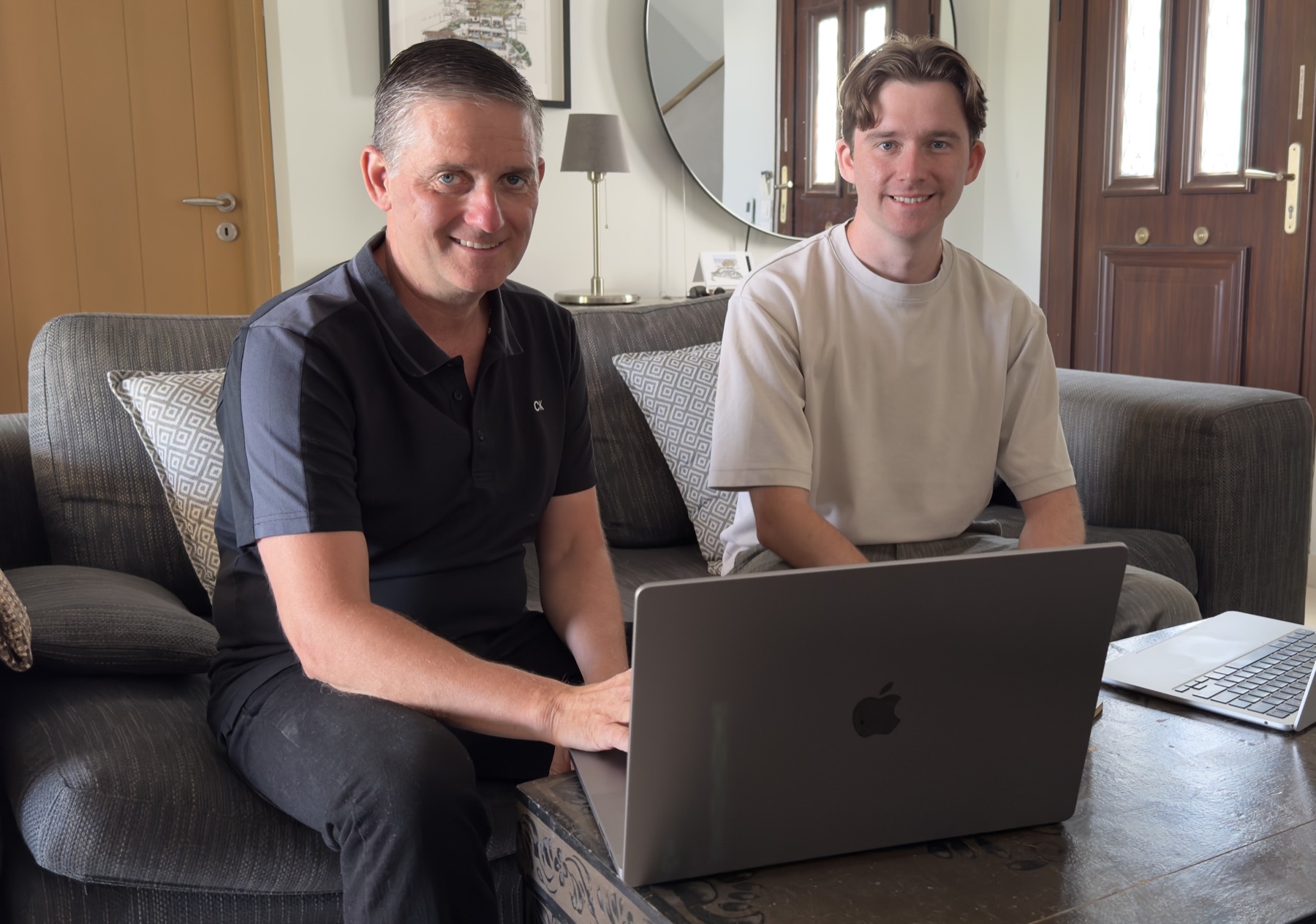
Motorhome Pig say they put people first, and they really do.
Neil also praised the team’s “kindness, support and incredibly professional work”. The result? His Hymer sold in just 21 days, achieving £73,320 - around £5,300 more than the trade and cash offers he’d previously received. For us, Neil’s story sums up what Motorhome Pig stands for: we’d always rather protect a customer than rush into a sale, because to us, it’s personal.
Want honest, no-obligation advice on selling safely?
Sell my motorhomeShould you sell privately or through a broker?
There’s no single right answer. Selling privately can work well if you’re comfortable managing enquiries, arranging viewings, negotiating and handling the paperwork yourself. Many owners choose a specialist broker because it removes much of the stress and uncertainty - and much of the risk that comes with handling large payments and strangers yourself.
If you’re still weighing up the options, we’ve explored the pros and cons in more detail in our guide: Should you sell your motorhome through a broker?
A good broker can:
- Professionally market your motorhome
- Qualify buyers before they travel
- Manage enquiries and appointments
- Help achieve the best possible price
- Reduce the risk of scams
- Keep you updated throughout the process
We’ve built our approach around transparency. When you sell your motorhome through us, a custom-built seller dashboard lets you monitor enquiries, appointments and progress in real time, while Alison, our in-house AI assistant developed by Co-Founder Lewis Cheetham, provides instant support from the moment an enquiry is made. Technology doesn’t replace people - it removes uncertainty, and frees our team to spend more time guiding customers through every stage.
So what’s the safest way to sell?
The safest way to sell is the one where you stay in control of the money and never feel rushed. Whether you sell privately or through a broker, take the time to protect yourself, ask questions and work with people you trust. Selling a motorhome shouldn’t feel stressful - and it doesn’t have to.
At Motorhome Pig we believe buying and selling motorhomes will always be about people first. Technology helps us respond faster and experience helps us guide customers better, but trust is what gives people the confidence to take the next step. If you’d like to see how we’ve helped other owners achieve the best possible outcome, explore our customer case studies.
We’d always rather protect a customer than rush into a sale. If I spot something that doesn’t add up, I’ll tell you to walk away - even if that means we don’t do business today. To us, it’s personal, and that’s never going to change.
Frequently asked questions
How do I avoid motorhome scams when selling?
Verify who you're dealing with, never treat a screenshot or a “pending” transfer as proof of payment, and only hand over the keys once cleared funds show in your own bank account. Meet somewhere safe, keep your paperwork organised, and walk away from anyone who pressures you into a quick decision. If something feels wrong, it usually is.
Is it safe to accept a deposit to hold my motorhome?
Only once you've confirmed the money has genuinely arrived in your account. A common scam is a convincing-looking deposit confirmation followed by a request to remove your advert or cancel other viewings. Always verify payments through your own online banking rather than relying on emails or screenshots, and never take your motorhome off the market on the strength of a promise.
Is it safe to sell a motorhome on Facebook Marketplace?
It can be a useful place to advertise, but it's also one of the most common sources of fraudulent enquiries. Be cautious of buyers who refuse to speak on the phone, ask unusual questions, want someone else to collect the vehicle, offer to pay before viewing, or pressure you into deciding quickly. Trust your instincts if something doesn't feel right.
How do I know a motorhome buyer is genuine?
Genuine buyers are happy to talk, ask sensible questions about the vehicle and don't rush you. Verify their identity, arrange to meet in a safe location, and make sure any outstanding finance and payment is handled properly before the keys change hands. Qualifying buyers before they travel saves you weeks of timewasters and protects you from fraud.
Is it safer to sell my motorhome through a broker?
For many owners, yes. A good broker qualifies buyers before they travel, manages enquiries and viewings, and reduces the risk of scams by handling the parts of the sale where fraud usually happens. You still choose whether to sell privately or use a broker, but a specialist takes much of the risk and stress off your shoulders.
Keep reading
Should you use a broker?
The four ways to sell, weighed up honestly.
Customer case studies
Real sales, real timelines, real figures.
How selling works
Step by step, from first call to cleared funds.
Written by the Motorhome Pig team and bylined to founder Gary Cheetham, who has spent more than 30 years in the motor trade (MCEA Registered, licensed MOT tester, AWS NCC-trained mobile caravan engineer). Any figures we quote - what a motorhome sold for, or how long it took - come from our own completed sales and link to the full case study. Published 29 June 2026.
Thinking of selling your motorhome?
Sell safely with a team that qualifies buyers, protects you from scams, and only gets paid when it sells.
No upfront cost · No sale, no fee · One central UK team, 7 days a week