
10 things I've learnt from selling hundreds of motorhomes
After more than 30 years in the motor trade, I’ve learnt one thing above everything else: buying and selling motorhomes isn’t really about motorhomes at all. It’s about people.

By Gary CheethamFounder, Motorhome Pig · 30+ years in the motor trade · MCEA Registered · Licensed MOT tester · AWS NCC Trained Mobile Caravan Engineer
· Last updated 11 August 2026 · 8 min read
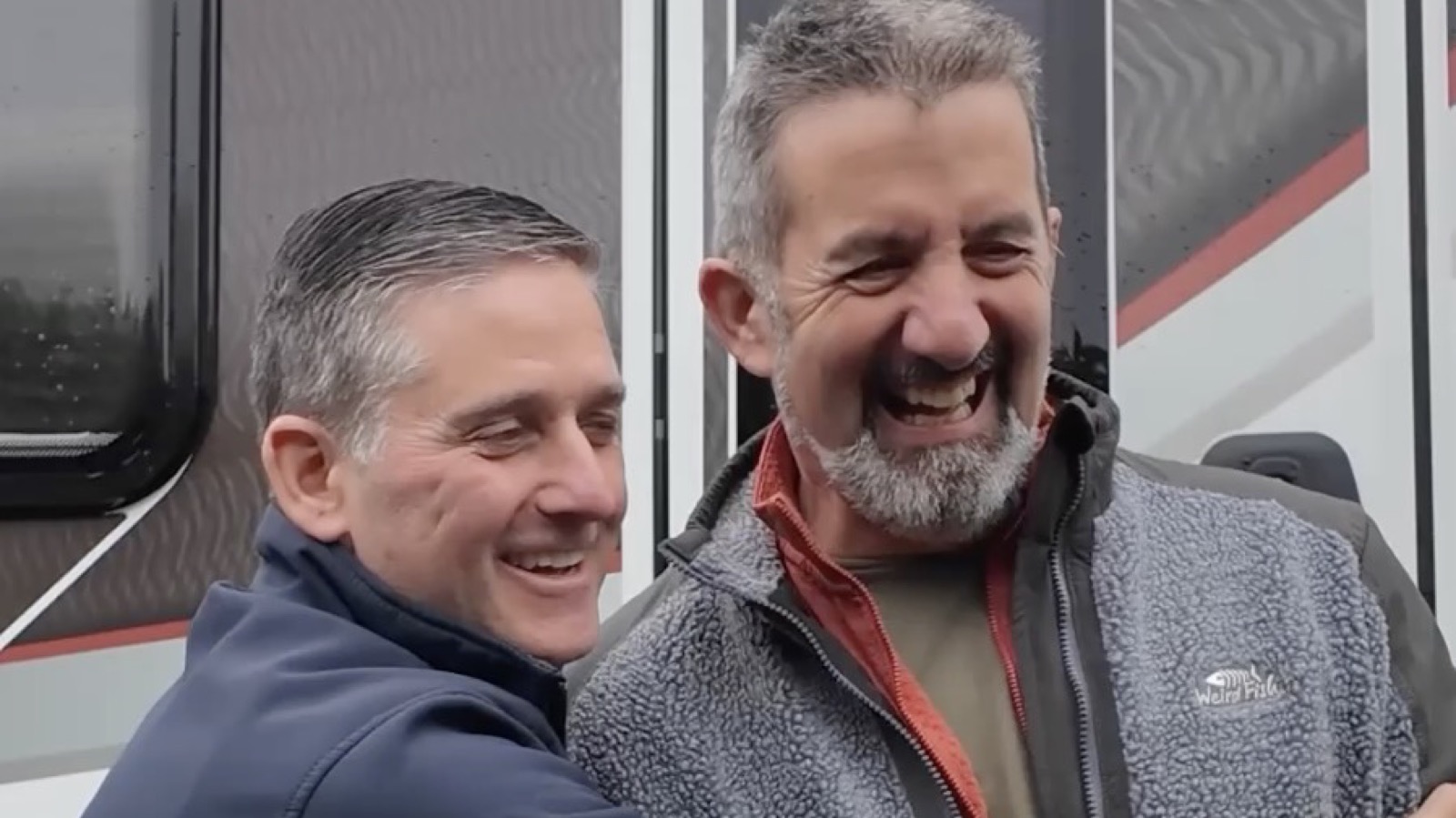
After more than 30 years in the motor trade, the lessons that have stayed with me aren’t really about motorhomes - they’re about people. Every motorhome has a buyer if it’s priced correctly, presented properly and put in front of the right audience. Honesty beats polish. The right valuation matters far more than the highest one. And preparation, trust and straight talking decide the outcome more often than the vehicle does.
Every week I meet customers at different stages of life. Some are buying their first motorhome. Others are selling after years of incredible adventures. Some are saying goodbye because life has simply changed.
Along the way, there are a few lessons that have stayed with me.
- Every motorhome has a buyer. It’s rarely the vehicle that’s the problem - it’s how it’s valued, presented or marketed.
- Honesty is remembered. Nobody expects a used motorhome to be perfect, and being upfront about condition builds confidence.
- The right valuation beats the highest one. A realistic price brings genuine buyers forward and usually produces a better outcome.
- Preparation pays. A clean motorhome, good paperwork, quality photographs and an honest description change how buyers respond.
- Trust matters more than speed. Half the motorhomes we sell find a buyer within 36 days - but I’d rather lose a sale than see someone make the wrong decision.
1. Does every motorhome have a buyer?
Yes. One of the biggest misconceptions I hear is “nobody will want mine”. In reality, every motorhome has a buyer. The challenge isn’t whether someone wants it, it’s making sure it’s priced correctly, presented properly and put in front of the right audience. I’ve seen motorhomes people thought would never sell find the perfect owner surprisingly quickly.
At Motorhome Pig, we’ve helped hundreds of owners sell everything from nearly-new A-classes to older campervans. Time and again, I’ve seen that it’s rarely the motorhome itself that’s the problem. More often, it’s how it’s valued, presented or marketed. Get those fundamentals right and you’re giving yourself the best possible chance of finding the right buyer.
If you’re interested in what influences selling speed, we’ve explored the data from more than 386 completed sales in our guide to how long it takes to sell a motorhome.
A 2007 Dethleffs Globebus we sold from Motherwell achieved its full asking price of £22,800 in 13 days - nineteen years old, and two competing offers landed in a single day. And Carole sold her Autocruise Rhythm from the Isle of Skye for £23,500, hundreds of miles from most of her buyers. Every figure here comes from our own completed sales, and you can read the full story behind each one.
2. Do buyers really remember honesty?
They remember it long after they’ve forgotten the paperwork. Nobody expects a used motorhome to be perfect. Being upfront about its condition builds confidence; trying to hide something almost always has the opposite effect. The most successful sales always start with trust.
One customer came to us after I’d advised him to walk away from what I believed was a risky transaction. We didn’t make a sale that day, but months later he came back because he remembered we’d put his interests first. That’s always been my philosophy. I’d rather lose a sale than see someone make the wrong decision.
If you read through our customer reviews, that’s the theme that comes up time and time again. People don’t remember the paperwork or the process - they remember how they were treated.
It isn’t only about disclosing a scuff. When Neil sold his near-new Hymer Free S 600, honest advice stopped an online buyer who was set to take the van without paying for it. He sold properly instead - £73,320, in 21 days. Telling someone what they don’t want to hear is usually the most valuable thing you can do for them.
3. Is the highest valuation the right valuation?
No. Everyone wants to hear their motorhome is worth more but, in truth, an unrealistic valuation rarely helps anyone. The right valuation creates interest, brings genuine buyers forward and often results in a quicker sale and, ultimately, a better outcome. Understanding what your motorhome is genuinely worth beats hoping for the highest figure.
That’s why I’d always encourage owners to understand what their motorhome is genuinely worth, rather than simply hoping for the highest number anyone will say out loud. If you’d like to understand what really affects your motorhome’s value, we’ve explored it in more detail in our guide to the twelve things that influence a motorhome valuation.
You can see how much the pricing decision matters in our own completed sales. Sometimes it means valuing higher, not lower - and sometimes it means telling someone the number they had in mind isn’t there.
| The motorhome | The pricing decision | What happened |
|---|---|---|
| Jeremy's 2013 Peugeot Boxer campervan | He told us our valuation was too low and sent the full conversion spec | Re-valued up £2,000, sold in 17 days |
| Helen's 2011 VW Transporter campervan | Repositioned across the £15,000 search threshold after ten quiet weeks | 8 offers in 3 weeks, sold at £14,000 |
| Mark's 2013 Auto-Trail Cherokee | Held his price and turned down £28,000, £28,500 and £30,000 | Sold at £31,500, seven days after going live |
| Jane's 2005 Auto-Sleepers Duetto | Listed at £21,495, above what the market would pay | Didn't sell on the open market; taken in part-exchange |
Read across those rows and the pattern is simple: the right number is the one the market agrees with, and it isn’t always the biggest one on the table. Jeremy’s campervan was worth more than our first estimate, so we moved it up. Helen’s was priced just above the bracket buyers were searching in. Mark was right to hold firm. And Jane’s Duetto never found a buyer at its asking price, which is the honest half of the story.
Want to know what your motorhome is genuinely worth?
Sell my motorhome4. Does technology make selling less personal?
It shouldn’t - it should do the opposite. People sometimes assume technology replaces people, but I see it differently. The reason we’ve invested in building our own software and AI tools is so we spend less time on administration and more time talking to customers, understanding their situation and helping them make the right decisions.
I often say technology should ‘10x’ what we do, not replace it. For me, that means removing the repetitive tasks so we can spend even more time doing what matters most: having proper conversations with people. Technology should create more conversations, not fewer.
That’s the thinking behind everything we’ve built, from the UK’s first AI-powered instant motorhome valuation platform to Alison, our in-house AI assistant. Neither exists to replace people - they exist to give our team more time to provide the personal support customers remember long after the sale is complete.
Smart systems for speed and transparency; real, experienced people on the end of the phone when it matters. Sell with us and you can follow the whole thing from your own seller dashboard - every view, lead and offer as it happens.
5. Why is selling a motorhome so emotional?
Because for many owners, a motorhome represents years of holidays, family memories and freedom. Sometimes we’re helping people sell because they’re buying their dream upgrade. Sometimes it’s because circumstances have changed. Either way, it’s never just another transaction.
That’s worth remembering if you’re the one selling. The people who handle your sale should understand why it matters to you, not just what it’s worth on paper.
6. How much difference does preparation make?
A remarkable amount. A clean motorhome, good paperwork, quality photographs and an honest description - none of these things are complicated, but together they change how buyers respond. Well-prepared motorhomes create a stronger first impression, attract more genuine enquiries and ultimately achieve a better outcome.
Time and again, I’ve seen preparation come down to four things:
- A clean motorhome, inside and out - including the bits people forget, like the washroom and the lockers
- Good paperwork: service history, receipts, habitation checks and the V5C ready to hand
- Quality photographs, taken in decent light, that show the layout honestly
- An honest description that says what's good and what isn't
We’ve pulled together everything I’d recommend doing before you advertise, so your motorhome has the best possible chance of standing out from day one. Read the seller’s checklist.
7. Is the fastest sale always the best sale?
No. Of course everyone wants to sell quickly, and I’m proud that half the motorhomes we sell find a buyer within 36 days of going live. But speed should never come at the expense of trust. I’d rather lose a sale than see someone make the wrong decision, because in the long run, doing the right thing is what builds the relationships and reputation that matter most.
That figure comes from our own dataset of 386 completed sales - it’s the midpoint, not a promise, and plenty of sales sit either side of it. What I’d never do is push someone into accepting a number just to move a sale along. Simon named £8,000 as his floor and turned down two below-asking offers, then got his full £9,500 asking price four days after going live. Holding your nerve is sometimes the fastest route as well as the right one.
8. Do you ever stop learning in this trade?
Never. The motorhome market changes all the time. Layouts change. Buyer habits change. Technology changes. The day you think you’ve seen everything is usually the day something surprises you. That’s one of the reasons I still enjoy doing this.
Working alongside Lewis has reminded me that experience and fresh thinking are a powerful combination. I’ve spent decades understanding the people and the industry, while he’s challenged us to think differently about how technology can improve the experience. Together, we’ve learnt just as much from each other as we have from our customers.
When Carole sold her Autocruise Rhythm from the Isle of Skye, it was her own suggestion - a wider search radius for buyers prepared to travel - that reshaped how we reach sellers in remote parts of the country. That idea came from a customer, not from us.
9. Why are the best businesses built around people?
Motorhomes are what we sell, but people are what the business is built around. That applies just as much to our team as it does our customers. If you look after people properly, they’ll remember you long after the sale has finished.
One of the things I’m proudest of is watching our younger team members grow in confidence and responsibility. Building a business isn’t just about customers - it’s about creating opportunities for people too.
10. What does success actually look like?
Not being the biggest. People sometimes ask what success looks like and for me, it’s knowing someone would happily recommend us to a friend or family member because we did the right thing. If we keep doing that, everything else tends to look after itself.
When I look back on what we’ve built, I don’t think about how many motorhomes we’ve sold. I think about the messages, recommendations and reviews from customers who trusted us with one of their biggest assets. That’s what success looks like to me.
I’ve realised this after three decades in the industry. People want honest advice. They want someone they can trust. They want to feel confident they’re making the right decision. Motorhomes may have changed, and technology has certainly changed, but those things never will.
Final thoughts: the fundamentals haven’t changed
Ten lessons, and they all come back to the same place. Price it honestly, prepare it properly, tell people the truth about it, and put it in front of the right audience. The tools have changed enormously in thirty years. What buyers and sellers actually want from the person on the other side of the deal hasn’t changed at all.
If you’d like a chat about your motorhome, or you’re simply curious about what it might be worth, I’d love to help. You can request a free instant valuation or get in touch with the team - there’s no obligation to sell with us afterwards.
Curious what your motorhome could sell for?
Sell my motorhomeFrequently asked questions
Will my motorhome actually sell?
In our experience, every motorhome has a buyer. The question is rarely whether someone wants it - it's whether it's priced correctly, presented properly and put in front of the right audience. We've sold everything from nearly-new A-classes to older campervans, including a 2007 Dethleffs Globebus that achieved its full asking price of £22,800 in 13 days.
Should I be upfront about faults when selling my motorhome?
Yes. Nobody expects a used motorhome to be perfect, and being open about condition builds confidence. Trying to hide something almost always has the opposite effect, because buyers find it at the viewing and lose trust in everything else you've told them. The most successful sales we handle start with an honest description.
Is the highest valuation always the best valuation?
No. Everyone wants to hear their motorhome is worth more, but an unrealistic valuation rarely helps anyone. The right valuation creates interest, brings genuine buyers forward and often results in a quicker sale and a better outcome overall. A price set too high usually means silence, then a reduction later from a weaker position.
How long does it take to sell a motorhome?
Across our own completed sales, half of the motorhomes we sell find a buyer within 36 days of going live. Individual sales vary a great deal - pricing, condition, presentation and time of year all play a part - so treat 36 days as a realistic midpoint rather than a promise for any one vehicle.
Does using an AI valuation mean I won't speak to a real person?
No - it's the opposite of why we built it. Our instant valuation and our AI assistant exist to remove repetitive admin so the team has more time for proper conversations, not fewer. You'll still get a real, experienced person on the end of the phone when you're selling something worth tens of thousands of pounds.
What should I do before I advertise my motorhome?
Clean it thoroughly, gather your paperwork and service history, take quality photographs in good light, and write an honest description. None of it is complicated, but together it makes a remarkable difference to how buyers respond. Our Ultimate Motorhome Seller's Checklist walks through everything we'd recommend doing first.
Keep reading
The seller’s checklist
Everything to sort out before your motorhome goes live.
How long will it take?
The full distribution from 386+ of our own completed sales.
Customer case studies
Real sales, real timelines, real figures.
Written by Motorhome Pig founder Gary Cheetham, who has spent more than 30 years in the motor trade (MCEA Registered, licensed MOT tester, AWS NCC-trained mobile caravan engineer). Any figures we quote - what a motorhome sold for, or how long it took - come from our own completed sales and link to the full case study. The 36-day figure is the median across 386 completed sales, not an average or a guarantee. The “UK’s first AI-powered instant motorhome valuation” claim is as reported by Prolific North, 15 July 2026. Published 11 August 2026; last updated 11 August 2026.
Thinking of selling your motorhome?
Get a free valuation in minutes, then decide. List the same day, see every view, lead and offer yourself, and only pay when it sells.
No upfront cost · No sale, no fee · One central UK team, 7 days a week