
The ultimate motorhome seller’s checklist: everything to do before you advertise
If you’ve decided it’s time to sell your motorhome, it’s tempting to jump straight onto a marketplace and create an advert. But taking a little extra time before your motorhome goes live can make a significant difference to how quickly it sells, the confidence buyers have in your vehicle and the price you achieve.

By Gary CheethamFounder, Motorhome Pig · 30+ years in the motor trade · MCEA Registered · Licensed MOT tester · AWS NCC Trained Mobile Caravan Engineer
· Last updated 4 August 2026 · 7 min read
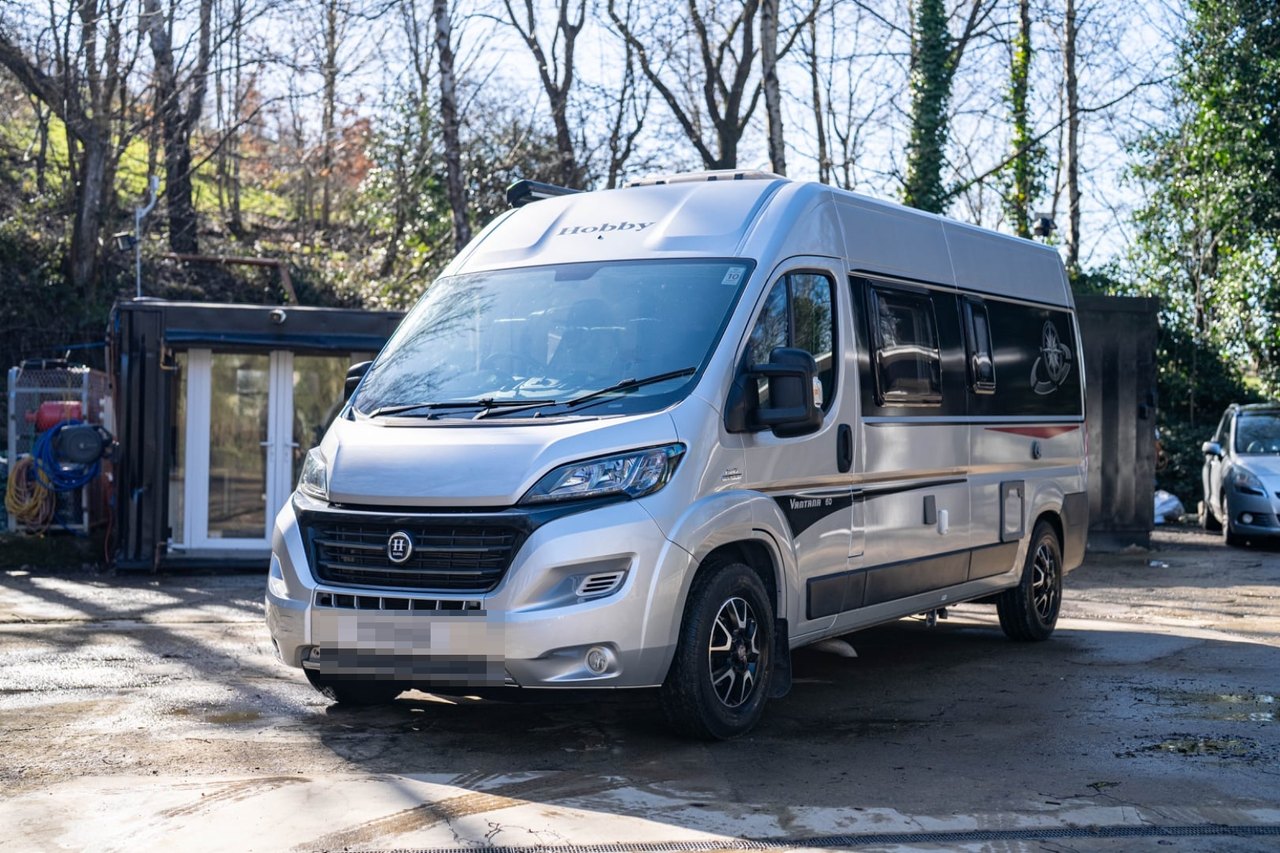
Before you advertise a motorhome, work through ten things: get a realistic valuation, gather your paperwork, clean it thoroughly, fix the small jobs, photograph every area in daylight, list every upgrade, be honest about the condition, think about timing, decide how you’re going to sell, and choose the right partner. Good preparation, honest pricing and making life easy for buyers are what produce the best results.
At Motorhome Pig, we’ve helped hundreds of owners prepare their motorhomes for sale and seen first-hand that the best results are the product of good preparation, honest pricing and making life as easy as possible for potential buyers. That’s why we’ve put together the ultimate checklist to help you prepare your motorhome before it goes on the market.
- Start with a realistic valuation, not the number you hope for - overvaluing and undervaluing both cost you.
- Have the paperwork ready before you advertise: service history, habitation checks, MOTs, manuals, receipts and warranties.
- Clean it properly and fix the little things. Blown bulbs and loose trim cost pennies and buy a surprising amount of buyer confidence.
- Photograph everything in bright daylight - outside, inside, every bed, the washroom, kitchen, storage, cab and the service history.
- Be honest about condition. Transparency from the very beginning won’t stop a sale, but it will build trust.
1. Get an accurate valuation first
Before doing anything else, understand what your motorhome is realistically worth. Many owners either overvalue their vehicle because of the money they’ve invested in it, or undervalue it because they simply want a quick sale. Neither approach usually delivers the best outcome. A good valuation reflects today’s market, current buyer demand and your motorhome’s individual specification.
At Motorhome Pig, we start every sale with a realistic valuation based on three things: today’s market, current buyer demand and the individual specification of your motorhome.
If you’re not sure where to begin, our free AI-powered instant valuation tool gives you an immediate estimate in just a few minutes before you speak to one of our specialists. If you’d rather understand what drives the number first, our guide to what your motorhome is worth walks through the twelve factors that move it most.
2. Gather your paperwork
Buyers want confidence, so before advertising, collect your service history, habitation check certificates, MOT certificates, manuals, receipts for repairs and upgrades, and warranty information where it applies. Having everything ready demonstrates you’ve cared for the vehicle properly and often speeds up the buying process.
- Service history
- Habitation check certificates
- MOT certificates
- Manuals
- Receipts for repairs and upgrades
- Warranty information (where applicable)
3. Give your motorhome a proper clean
First impressions matter. Spending time on a thorough clean is important because you’re helping buyers imagine their own adventures - washing and polishing the outside, then vacuuming through, cleaning cupboards, windows, the dashboard, the washroom and the kitchen.
- Washing and polishing
- Vacuuming
- Cleaning cupboards
- Windows
- Dashboard
- Washroom
- Kitchen
4. Fix the little things
Not every issue needs repairing, but small jobs can make a surprisingly big difference and ultimately build confidence. Replacing blown bulbs, tightening cupboard catches, touching up small paint chips, fixing loose trim and replacing broken clips all cost very little and quietly tell a buyer the vehicle has been looked after.
- Replacing blown bulbs
- Tightening cupboard catches
- Touching up small paint chips
- Fixing loose trim
- Replacing broken clips
5. Photograph it properly
Good photography sells motorhomes. Take photographs of the outside, the inside, every sleeping area, the washroom, the kitchen, the storage, the cab, the service history and any notable upgrades. Bright daylight always works best.
- Outside
- Inside
- Every sleeping area
- Washroom
- Kitchen
- Storage
- Cab
- Service history
- Notable upgrades
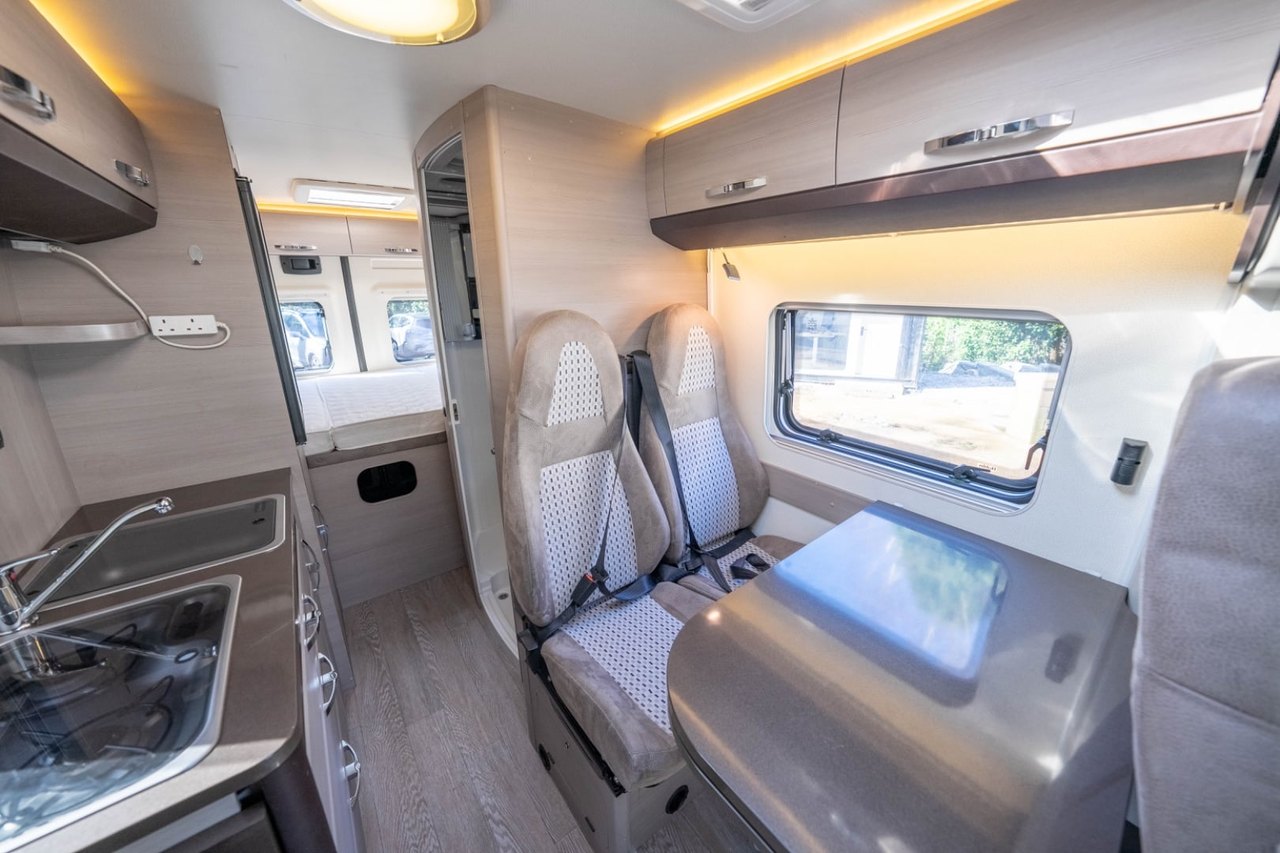
At Motorhome Pig, we believe professional presentation is one of the biggest factors influencing how quickly a motorhome sells. That’s why we invest heavily in showcasing every vehicle properly, from high-quality photography and compelling descriptions to targeted promotion across specialist motorhome platforms, including Out & About Live.
6. Make a list of every upgrade
It’s easy to lose track of all the things you’ve improved, tweaked or corrected, so don’t rely on memory - capture everything (as it happens if you can) because some upgrades significantly improve desirability. Knowing exactly what’s fitted also allows your broker to market the vehicle properly.
- Solar panels
- Lithium batteries
- Air conditioning
- Automatic gearbox
- Bike rack
- Awning
- Refillable LPG
- Alarm
- Reversing camera
7. Be honest about condition
Every used motorhome has a story, so don’t be afraid to be honest about yours. Whether it’s small scratches, stone chips or general wear, transparency from the very beginning won’t stop a sale - but it will build trust.
The alternative is worse. A fault a buyer discovers for themselves at the viewing costs you far more than the same fault mentioned openly in the advert, because it changes what else they start wondering about.
Want an honest, no-obligation steer on your motorhome?
Sell my motorhome8. Think about timing
Although motorhomes sell throughout the year, buyer behaviour changes. Spring often sees increased demand as people gear up for the summer months, however winter can still produce excellent results when pricing and marketing are right. Rather than trying to guess the perfect month, focus on presenting your motorhome properly whenever you’re ready to sell.
Across 386 completed sales, the median time from going live to sold on Motorhome Pig is 36 days - and the things on this checklist are a large part of what separates a fortnight from several months. We’ve published the full distribution and the nine things that speed a sale up.
9. Decide how you’re going to sell
Will you sell privately, part exchange or use a specialist broker? Every route has its pros and cons. For many owners, using a specialist broker removes much of the uncertainty by managing enquiries, marketing, buyer qualification and paperwork.
| How you sell | Photos & advert | Screening buyers | Payment & paperwork |
|---|---|---|---|
| Sell it yourself (privately) | You | You | You |
| Part-exchange at a dealer | The dealer, once it’s theirs | The dealer buys it directly | The dealer |
| Through a specialist broker | The broker | The broker | The broker, with you approving |
In other words, the further right you go, the less of the work lands on you - but the preparation in steps 1 to 8 still matters, because it’s what any of those routes has to work with.
If you’re still weighing up your options, you may also find our guide Should you sell your motorhome through a broker? helpful, where we compare selling privately, through a dealer and using a specialist broker in more detail.
10. Choose the right partner
This is probably the most important step you can take. A specialist broker should help you achieve the best possible outcome, giving you confidence and support from the day you decide to sell through to handing over the keys.
At Motorhome Pig, we’ve built our business around doing exactly that. Gary combines decades of specialist motor trade experience with Lewis’ in-house technology to remove uncertainty from the selling journey, while our wider team focuses on what matters most: giving every customer honest advice and the best possible experience.
That means combining:
- Decades of specialist experience
- Realistic, market-led valuations
- Professional marketing and photography
- Exposure across specialist motorhome platforms
- Instant enquiry responses through our in-house AI assistant, Alison
- A custom-built seller dashboard with real-time updates when you sell your motorhome with us
- Honest advice, even when it’s not what customers expect to hear
Technology helps us respond faster, market better and keep customers informed - but it’s the people behind it who help owners achieve the strongest possible outcome. If you’d like to see how that works end to end, our how it works page walks through the whole journey, and our customer case studies show real sales, real timelines and real figures.
One thing Gary tells every seller
The single most common piece of advice Motorhome Pig’s Co-Founder Gary Cheetham gives sellers is not to rush to market. An extra day spent preparing the motorhome properly - cleaning it, gathering the paperwork, taking better photographs - makes a much bigger difference to the result than most owners expect.
Don’t rush to market just because you’re excited to sell. Spending an extra day preparing your motorhome properly can make a much bigger difference than people realise.
This advice has helped hundreds of owners achieve quicker sales and stronger results - because the day you spend preparing is the day every buyer sees first.
The full checklist at a glance
Ten steps, in order: value it realistically, gather the paperwork, clean it thoroughly, fix the little things, photograph every area in daylight, list every upgrade, be honest about the condition, think about timing, decide how you’re going to sell, and choose the right partner to sell it with.
- Get an accurate valuation first - today’s market, current demand and your motorhome’s specification, not the number you hope for.
- Gather your paperwork - service history, habitation checks, MOTs, manuals, receipts, warranties.
- Give it a proper clean - wash and polish, vacuum, cupboards, windows, dashboard, washroom, kitchen.
- Fix the little things - bulbs, catches, paint chips, loose trim, broken clips.
- Photograph it properly - outside, inside, every bed, washroom, kitchen, storage, cab, service history, upgrades. Bright daylight.
- List every upgrade - solar, lithium, air-con, automatic gearbox, bike rack, awning, refillable LPG, alarm, reversing camera.
- Be honest about condition - scratches, chips and wear disclosed up front build trust rather than costing you the sale.
- Think about timing - but don’t wait for a perfect month that doesn’t exist.
- Decide how you’re going to sell - privately, part exchange, or through a specialist broker.
- Choose the right partner - the one you’d trust with your own motorhome.
Preparing your motorhome properly isn’t about making it look perfect - it’s about giving buyers confidence from the very first enquiry.
If you’re thinking about selling, the easiest place to start is understanding what your motorhome could be worth today. Whether you’re planning your next adventure, changing vehicles or simply ready for a new chapter, knowing where you stand gives you the confidence to take the next step. Try our free AI-powered instant valuation tool.
You can’t change the year, the mileage or the layout of your motorhome. You can change how clean it is, how complete the history looks, how well it’s photographed and how honestly it’s described - and those are the things buyers judge first. Curious what a well-presented advert looks like? Browse the motorhomes we’re selling right now.
Frequently asked questions
What should I do before advertising my motorhome for sale?
Work through ten things before it goes live: get a realistic valuation, gather your paperwork, clean it thoroughly inside and out, fix the small jobs, photograph every area in daylight, list every upgrade, be honest about the condition, think about timing, decide how you're going to sell, and choose the right partner to sell it with.
What paperwork do I need to sell a motorhome?
Collect the service history, habitation check certificates, MOT certificates, handbooks and manuals, receipts for any repairs and upgrades, and warranty information where it still applies. Having it all ready before you advertise shows buyers you've cared for the vehicle properly, answers most of their questions up front, and usually speeds the sale up considerably.
How should I photograph a motorhome for sale?
Shoot in bright daylight and cover everything a buyer would want to see: the outside from every angle, the inside, every sleeping area, the washroom, the kitchen, the storage, the cab, the service history and any notable upgrades. Buyers who can see it all clearly enquire with far more confidence than buyers left guessing.
Should I repair everything before selling my motorhome?
No. Not every issue needs repairing, but small jobs make a surprisingly big difference. Replacing blown bulbs, tightening cupboard catches, touching up small paint chips, fixing loose trim and replacing broken clips all build buyer confidence for very little money. Larger faults are usually better disclosed honestly than hidden or expensively fixed.
When is the best time of year to sell a motorhome?
Motorhomes sell throughout the year. Spring often sees increased demand as people gear up for the summer months, but winter can still produce excellent results when the pricing and marketing are right. Rather than trying to guess the perfect month, focus on presenting your motorhome properly whenever you're ready to sell.
Do I have to declare scratches and damage when selling a motorhome?
Every used motorhome has a story, so don't be afraid to be honest about yours. Whether it's small scratches, stone chips or general wear, transparency from the very beginning won't stop a sale - it builds trust. Buyers who discover an undisclosed fault at the viewing tend to walk away or renegotiate hard.
Keep reading
What’s it worth?
The twelve things that really drive a motorhome’s value.
How long does it take?
36 days is the median across 386 sales - here’s the full spread.
Should you use a broker?
The four ways to sell, weighed up honestly.
Written by the Motorhome Pig team and bylined to founder Gary Cheetham, who has spent more than 30 years in the motor trade (MCEA Registered, licensed MOT tester, AWS NCC-trained mobile caravan engineer). The 36-day median is measured from go-live to sold across 386 completed Motorhome Pig sales as at 22 July 2026; it describes motorhomes that did sell and is not a guarantee for any individual vehicle. Published 4 August 2026.
Ready to get your motorhome ready to sell?
Start with an honest valuation. No obligation, no pressure, and you only pay when it sells.
No upfront cost · No sale, no fee · One central UK team, 7 days a week