
Motorhome depreciation explained: what really affects resale value?
Whether you’ve owned your motorhome for two years or twenty, one question inevitably comes up when it’s time to sell: how much is it worth?

By Gary CheethamFounder, Motorhome Pig · 30+ years in the motor trade · MCEA Registered · Licensed MOT tester · AWS NCC Trained Mobile Caravan Engineer
· Last updated 5 August 2026 · 7 min read
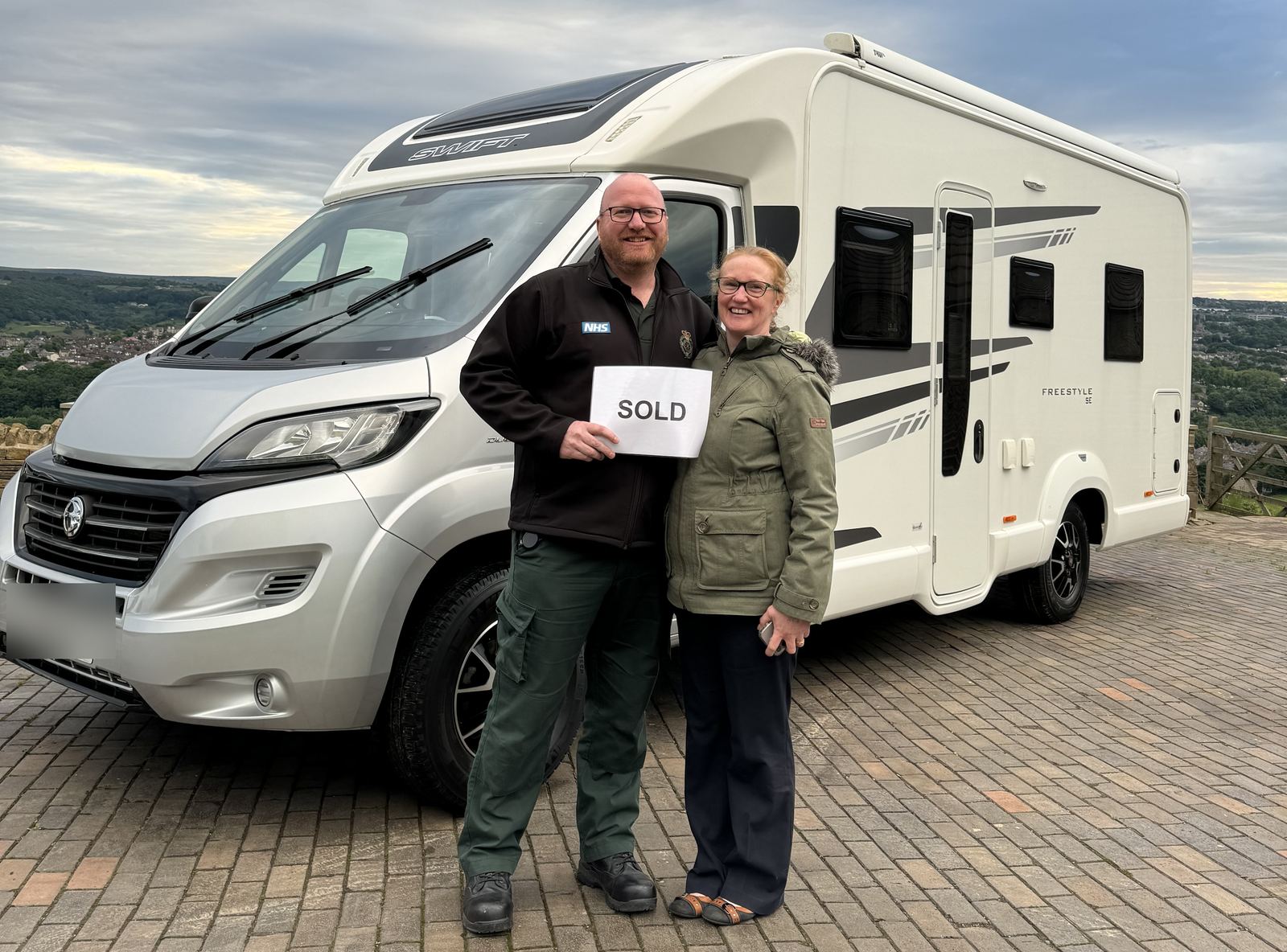
Motorhome depreciation is driven by far more than age and mileage. Service history, overall condition, damp, specification, layout, previous owners and today’s market demand all move the number, often by thousands. A well-maintained ten-year-old motorhome with a strong service history can outperform a newer model that has been poorly cared for. The only accurate valuation reflects the market now, and your individual vehicle.
Many owners assume the answer comes down to age or mileage alone. In reality, motorhome values are influenced by a range of factors, some of which might surprise you. Understanding what buyers are really looking for can help you achieve a faster sale and maximise your resale value.
- Age is only one part of the picture. A well-maintained older motorhome with a strong service history often beats a neglected newer one.
- Mileage matters, but context matters more. Regular use can be a positive sign; years sat unused rarely is.
- Condition means far more than paintwork - interior, damp, tyres, appliances, cleanliness and evidence of ongoing maintenance.
- Not every upgrade adds value. Practical, professionally installed extras help; highly personalised or DIY changes can shrink your audience.
- There is no single market value. Seasonal demand, buyer appetite and what else is for sale right now all move the figure.
What we see every day
The motorhomes that achieve the strongest results aren’t always the newest or the lowest mileage. Having helped hundreds of owners sell, we find the strongest sellers share three things: they’re realistically priced for the current market, they have a complete service and ownership history, and their owners are open, honest and transparent about condition.
Having helped hundreds of owners sell their motorhomes, we’ve found that the vehicles which achieve the strongest results aren’t always the newest or the lowest mileage. Instead, they tend to have three things in common:
- They're realistically priced for the current market
- They have a complete service and ownership history
- Sellers are open, honest and transparent about the vehicle's condition
Ultimately, buyers are investing in confidence just as much as they’re investing in the motorhome itself. Get those three right and the rest usually follows: across our own completed sales, half of the motorhomes we sell find a buyer within 36 days of going live. Get the price wrong and the market simply doesn’t respond - when Jane’s 2005 Auto-Sleepers Duetto was listed at £21,495, it didn’t sell on the open market at all, and we ended up taking it in part-exchange instead.
So, here’s what really affects your motorhome’s value.
Myth 1: “the newer the motorhome, the more it’s worth”
Not always. While newer motorhomes often command higher prices, age is only one part of the picture. A well-maintained ten-year-old motorhome with a strong service history can often outperform a newer model that has been poorly cared for.
Buyers are looking for confidence. If a vehicle has clearly been looked after, stored correctly and maintained regularly, it’s likely to attract stronger offers regardless of its age.
It isn’t just theory. A 2007 Dethleffs Globebus we sold for a seller in Motherwell achieved its full asking price of £22,800 in 13 days, after a cluster of viewings produced two competing offers in a single day. Nineteen years old, and the condition and paperwork gave buyers nothing to worry about. Every figure on this page comes from our own completed sales, and you can read the full story behind each one.
Myth 2: “mileage is everything”
Mileage matters, but context matters more. Unlike cars, motorhomes are built to cover long distances and many buyers expect them to have travelled extensively. A motorhome with slightly higher mileage but a comprehensive service history is often more appealing than a low-mileage vehicle that’s spent years sitting unused.
Regular use can actually be a positive sign, helping to keep mechanical components in good working order.
If your motorhome has covered serious distance, the paperwork is what turns that from a worry into a selling point: stamped services, receipts for the work you’ve had done, and evidence that it’s been used and looked after rather than left standing. Our seller’s checklist covers exactly which documents buyers ask for.
Myth 3: “condition only means the outside”
First impressions count, but buyers look much deeper than paintwork. They’ll consider interior condition, damp checks, service history, tyre condition, appliance functionality, cleanliness and signs of ongoing maintenance. Small details can make a big difference to what someone is prepared to pay.
They’ll consider:
- Interior condition
- Damp checks
- Service history
- Tyre condition
- Appliance functionality
- Cleanliness
- Signs of ongoing maintenance
Small details can make a big difference. Replacing worn cushions, fixing minor cosmetic issues and ensuring everything is clean and working properly can help create confidence during viewings.
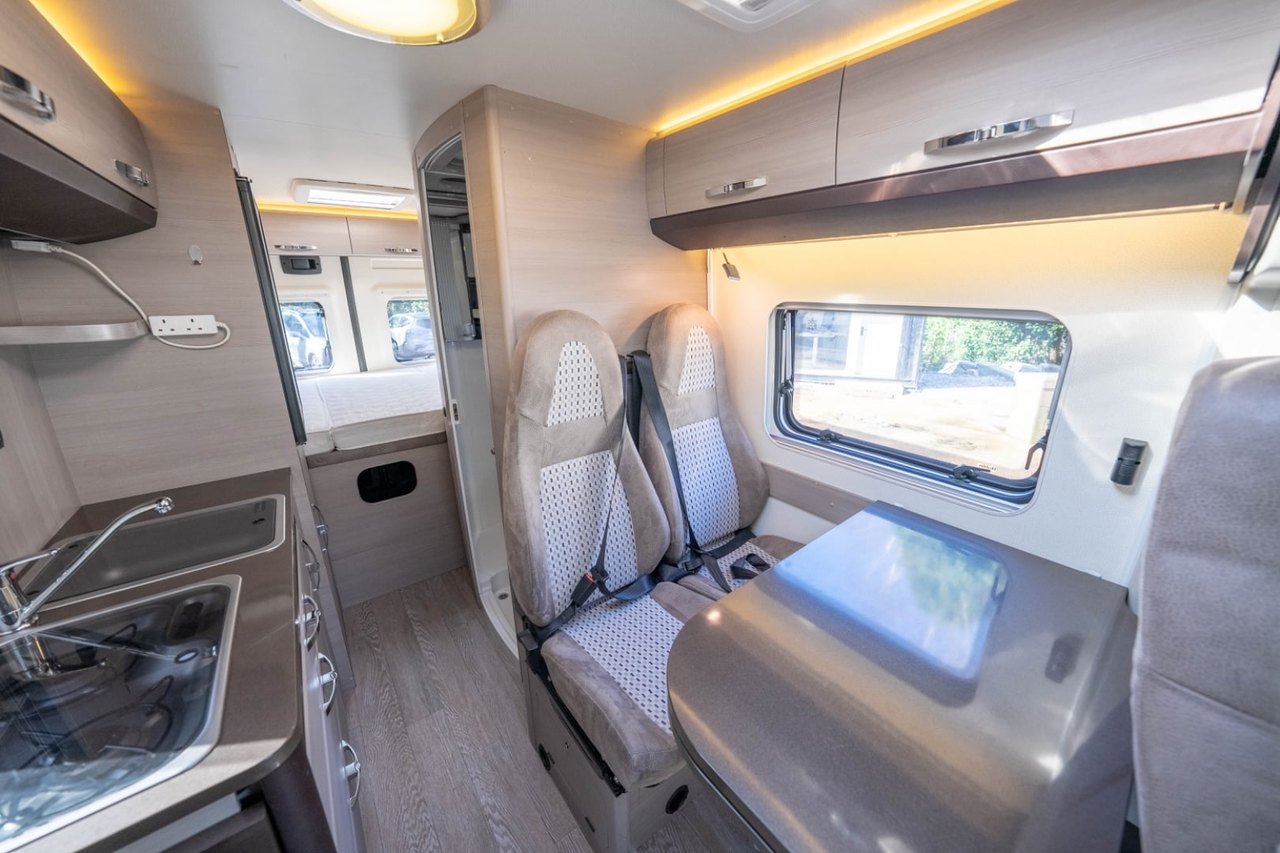
If you’re preparing your motorhome for sale, our Ultimate Motorhome Seller’s Checklist covers everything from paperwork and presentation to photography and servicing, helping you make the best possible first impression before your motorhome goes on the market.
Myth 4: “every upgrade adds value”
Not necessarily. Quality upgrades such as solar panels, lithium batteries, reversing cameras or upgraded security systems can increase appeal, particularly if professionally installed. However, not every modification adds value in the eyes of buyers.
Highly personalised changes or DIY alterations may actually reduce your potential audience. The best upgrades are those that improve practicality, comfort or safety without making the motorhome feel too niche.
Wondering what your upgrades are actually worth?
Sell my motorhomeMyth 5: “there’s one market value”
There isn’t. Your motorhome’s value depends on what’s happening in the market today, and on who you sell it to. Seasonal demand, current buyer appetite, availability of similar models, economic conditions, manufacturer popularity and layout trends all move the number a fixed guide price can’t account for.
Factors include:
- Seasonal demand
- Current buyer appetite
- Availability of similar models
- Economic conditions
- Manufacturer popularity
- Layout trends
A fixed guide price can’t take all of these into account. That’s why valuations should reflect what’s happening in the market now, rather than relying solely on historic pricing data.
The clearest illustration is what happens when the same motorhome is offered to different markets. Tony’s 2021 Swift Kon-Tiki Sport 599 was quoted three very different numbers in the space of a few weeks:
| Who was valuing it | The number | What it reflects |
|---|---|---|
| Dealers and cash-buying sites | £45,000 – £51,500 | Trade offers - room to prepare and resell |
| Advertised to retail buyers | £59,995 asking | What a private buyer was prepared to pay |
| Paid to Tony on completion | £56,396 | Full asking price achieved in 23 days |
Same motorhome, same week, same condition - and a spread of more than £11,000 between the lowest trade offer and what he actually banked. Nothing about the vehicle changed. Only the market it was offered to did. You can read the full story of Tony’s sale, or compare the ways to sell side by side. Speed has its own value, so if you need the money quickly a cash sale can still be the right answer - it’s the trade-off that matters, not the label.
One of the biggest misconceptions we see is that owners think age or mileage tells the whole story. In reality, buyers look at the complete package, from maintenance history to how well the vehicle has been cared for. Every motorhome has its own story, which is why no two valuations are ever exactly the same.
The factors that really affect resale value
When valuing a motorhome, specialists typically consider a combination of factors: make and model, age, mileage, service history, overall condition, specification, optional extras, number of previous owners, market demand and time of year. It’s this complete picture that determines what buyers are prepared to pay.
When valuing a motorhome, specialists typically consider a combination of factors, including:
- Make and model
- Age
- Mileage
- Service history
- Overall condition
- Specification
- Optional extras
- Number of previous owners
- Market demand
- Time of year
It’s this complete picture that determines what buyers are prepared to pay.
So, how much is your motorhome actually worth?
The most accurate valuation isn’t based on one number - it’s based on current market conditions combined with the unique story behind your individual vehicle. That’s why a generic pricing guide will only ever get you into the right area, and why a valuation should be reasoned from what comparable motorhomes are actually doing right now.
That’s exactly why we developed an AI-powered instant motorhome valuation platform - the UK’s first, as reported by Prolific North in July 2026. Rather than relying on generic pricing guides, it gives owners an immediate estimate based on the details of their individual motorhome, before our specialist team can provide further guidance if you decide to sell.
Whether you’re simply curious about its current value or actively considering selling, it’s a quick and easy way to understand what your motorhome could be worth in today’s market.
It takes a few minutes, it’s free, and there’s no obligation to sell with us afterwards. Start your valuation or read more about how the AI valuation works.
Final thoughts: depreciation isn’t something to fear
Depreciation is simply part of motorhome ownership. The important thing is understanding what buyers value and making informed decisions when it comes time to sell. A well-maintained motorhome, realistically priced and marketed to the right audience, will always stand the best chance of achieving a strong result.
At Motorhome Pig, we believe every motorhome has a story. Whether it’s been used for family holidays, retirement adventures or touring Europe, understanding the person behind the vehicle is just as important as understanding its specification. That’s why we combine intelligent technology with genuine expertise, helping owners value their motorhome with confidence and achieve the best possible outcome when the time comes to sell.
Because with us, it’s never just about the vehicle - it’s about helping people make the right decision for what’s next.
Ready to find out what your motorhome is worth today?
Sell my motorhomeFrequently asked questions
What affects a motorhome's resale value the most?
There isn't one single factor. Valuers weigh make and model, age, mileage, service history, overall condition, specification, optional extras, number of previous owners, market demand and time of year. It's the complete picture that decides what buyers will pay - which is why two motorhomes of the same age and mileage can be worth noticeably different amounts.
Do motorhomes depreciate quickly?
Depreciation is simply part of motorhome ownership, but it isn't a fixed percentage that ticks down with age. How well a motorhome has been maintained, stored and documented makes a real difference to what it holds. A well-cared-for older motorhome with a strong service history can hold its value better than a newer one that's been neglected.
Does high mileage reduce a motorhome's value?
Mileage matters, but context matters more. Motorhomes are built to cover long distances and many buyers expect them to have travelled extensively. A motorhome with slightly higher mileage but a comprehensive service history is often more appealing than a low-mileage vehicle that's sat unused for years, because regular use helps keep mechanical components in good working order.
Do upgrades add value to a motorhome?
Not all of them. Quality upgrades such as solar panels, lithium batteries, reversing cameras or upgraded security systems can increase appeal, particularly if professionally installed. Highly personalised changes or DIY alterations may actually reduce your potential audience. The best upgrades improve practicality, comfort or safety without making the motorhome feel too niche.
Is an older motorhome harder to sell?
Not if it's presented and priced properly. Buyers are investing in confidence as much as in the vehicle, so a clear history and honest description count for a great deal. One 2007 Dethleffs Globebus we handled sold at its full asking price of £22,800 in 13 days, because the condition and paperwork gave buyers nothing to worry about.
How do I find out what my motorhome is worth today?
Use a valuation based on current market conditions rather than a fixed guide price. Our AI valuation tool gives you an immediate estimate from the details of your individual motorhome, and our specialist team can provide further guidance if you decide to sell. It's free, and there's no obligation to list with us afterwards.
Keep reading
How much is my motorhome worth?
The twelve factors that decide the number, explained one by one.
The seller’s checklist
Everything to sort out before your motorhome goes live.
Customer case studies
Real sales, real timelines, real figures.
Written by the Motorhome Pig team and bylined to founder Gary Cheetham, who has spent more than 30 years in the motor trade (MCEA Registered, licensed MOT tester, AWS NCC-trained mobile caravan engineer). Any figures we quote - what a motorhome sold for, or how long it took - come from our own completed sales and link to the full case study. The “UK’s first AI-powered instant motorhome valuation” claim is as reported by Prolific North, 15 July 2026. Published 5 August 2026; last updated 5 August 2026.
Curious what your motorhome is worth today?
Get a free AI valuation in minutes, then decide. List the same day, see every view, lead and offer yourself, and only pay when it sells.
No upfront cost · No sale, no fee · One central UK team, 7 days a week