
Can I sell my motorhome without a habitation check? A UK guide
Yes, you can generally sell a motorhome without a current habitation check in the UK. It’s not normally a legal requirement for a private sale, but that doesn’t mean it’s something owners should overlook.

By Gary CheethamFounder, Motorhome Pig · 30+ years in the motor trade · MCEA Registered · Licensed MOT tester · AWS NCC Trained Mobile Caravan Engineer
· Last updated 19 October 2026 · 8 min read
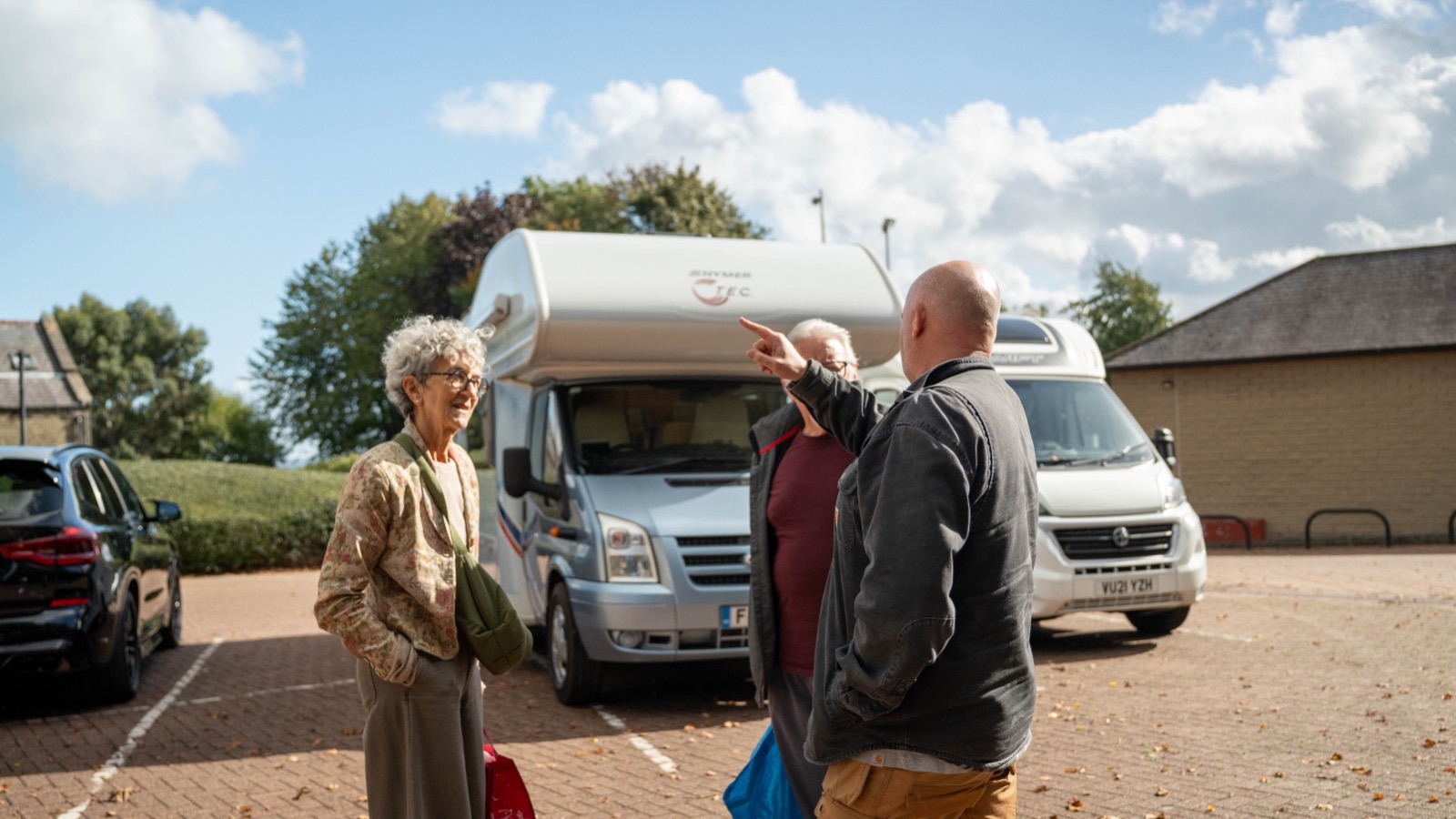
Summary: A habitation check inspects a motorhome’s living accommodation and associated systems, and a current habitation certificate is not generally a legal requirement for a private motorhome sale in the UK. A motorhome can therefore usually be sold without one, but a recent report and a record of regular maintenance give buyers more information and more confidence, so owners are better served by keeping on top of habitation checks throughout ownership and being open about what they do and do not know.
A motorhome can generally be sold in the UK without a current habitation check, as a habitation certificate is not normally a legal requirement for a private sale. Warranty, insurance and contractual conditions may still apply. Without a recent report, buyers have less information to work with, so honesty about the motorhome’s condition and history matters more.
Having spent more than 30 years in the motor trade, I’ve learnt that one of the most important things when buying or selling a vehicle is knowing exactly what you’re dealing with. And with motorhomes, that goes beyond the engine, mileage and MOT.
We’re talking about vehicles that people spend tens of thousands of pounds on, often with the intention of travelling, sleeping and spending weeks at a time in them. So, while a habitation check might feel like another expense or another bit of paperwork, I think it’s something motorhome owners should take seriously.
- A current habitation certificate is not generally a legal requirement for a private motorhome sale in the UK, though warranty, insurance and contractual conditions may apply.
- A habitation check is not the same as an MOT, and one does not replace the other. It looks at the living accommodation rather than the vehicle’s roadworthiness.
- Without a recent report, buyers have less information, and uncertainty can lead them to hesitate, ask for further inspections or negotiate on price.
- Sellers without a report should be open about what they know, what they don’t know and any concerns worth investigating.
- Annual habitation checks are commonly recommended, but owners should follow the requirements of their own vehicle, warranty and insurance.
What does a motorhome habitation check look at?
A habitation check looks at a motorhome’s living accommodation and associated systems, typically including damp and water ingress, gas, electrics, water systems, ventilation and fixtures. The exact scope depends on the inspection, and some specialist safety checks may be separate. It is not the same as an MOT, and one does not replace the other.
When people think about maintaining their motorhome, the first things that often come to mind are the mechanical service, MOT, tyres and brakes. And rightly so.
But a motorhome is also a living space. It’s somewhere you cook, sleep, shower and spend time with your family. That means there’s a whole other side of maintenance to think about.
For me, looking after the habitation side of a motorhome should be viewed as an important part of ownership, not simply something you think about when you’re ready to sell.
Why do habitation checks deserve more attention?
Not every motorhome problem is immediately obvious. A vehicle can look fantastic in photographs while issues develop in areas that cannot easily be seen. Water ingress, for example, can sometimes develop without obvious signs until damage has already occurred, and a problem left unnoticed for months or years can mean a more involved repair.
The upholstery might be spotless, the kitchen immaculate and the exterior beautifully polished. But what about the areas you can’t easily see?
That’s why I believe regular inspections and maintenance are worth taking seriously. Not because every motorhome is hiding a problem, but because understanding its condition gives you the opportunity to act before something becomes more serious.
It’s the same principle we apply at Motorhome Pig when helping people buy and sell. Good information leads to better decisions. And whether you’re planning to keep your motorhome for another ten years or sell it next month, that’s important.
Would you buy a motorhome without knowing its habitation history?
Picture two similar motorhomes of the same age, comparable mileage and roughly the same price. One comes with a recent habitation report and a record of regular maintenance; the other has no clear record of when the living area was last inspected. The second may be in excellent condition, but its buyer has less information to work with.
This is the question I’d encourage owners to ask themselves. Which would give you more confidence?
That doesn’t automatically mean the second motorhome is in poor condition. It might have been meticulously looked after. But when you’re spending a significant amount of money, uncertainty can become a reason to hesitate, ask for further inspections or negotiate on price.
| With a recent habitation report | Without a clear habitation record | |
|---|---|---|
| What the buyer knows | When the living area was last inspected, plus a maintenance record | Less: the condition may be excellent, but it is harder to demonstrate |
| How the buyer may respond | More confidence in the motorhome’s history | May hesitate, ask for further inspections or negotiate on price |
| What helps the seller | Sharing the report and service records with the advert | Being open about what is known, what is not, and any concerns |
The difference between the two columns is information, not necessarily condition. We’ve explored the different factors influencing value in our guide to how much is my motorhome worth? 12 things that affect its value.
For me, the lesson is that maintenance history isn’t just about keeping a vehicle running properly. It’s also about being able to demonstrate how it’s been looked after.

Can I still sell my motorhome without a habitation check?
Yes. A current habitation certificate is not generally a legal requirement for a private motorhome sale in the UK, and there are perfectly reasonable situations where an owner might not have a recent report. Missing paperwork does not automatically mean a motorhome cannot be sold, but sellers should be open about what they know and what they don’t.
Does that mean you shouldn’t sell without a habitation check? Not at all. And I wouldn’t automatically tell every owner to spend money arranging another inspection before they’ve even explored their options. Common reasons for not having a recent report include:
- They’ve owned their motorhome for years, maintained it carefully and simply haven’t kept every document.
- They’ve inherited a motorhome and don’t know its full history.
- They’ve decided to sell sooner than expected and haven’t had an inspection carried out recently.
None of those circumstances automatically means they can’t sell. But I’d encourage owners to be open about what they know, what they don’t know and whether there are any concerns worth investigating.
And if you’re unsure whether a new habitation check is worthwhile before selling, have that conversation. That’s where the Pigs can help. At Motorhome Pig, we know not everybody comes to us with a perfectly organised folder of paperwork. Our team can help sellers understand what information may be useful and what steps might be worth considering. Our guide to the documents needed to sell a motorhome covers the rest of the paperwork.
If you’ve noticed damp, water ingress or another potential issue, seek appropriate professional advice rather than hoping it won’t be noticed.
Should a habitation check be a last-minute job?
No. Habitation checks are worth keeping on top of while a motorhome is being used and enjoyed, not just when it is being prepared for sale. Annual habitation checks are commonly recommended, although owners should always follow the requirements of their particular vehicle, manufacturer warranty and any relevant insurance conditions.
This is probably my biggest point.
Too often, maintenance becomes something people think about when they’re preparing to sell. They start gathering the service history, checking the MOT, looking for old receipts and wondering whether they need a habitation certificate.
My view is that these things are worth keeping on top of while you’re actually using and enjoying your motorhome, not just when you’re getting ready to sell it. Regular checks can help identify developing problems, provide useful records and make it easier to understand the condition of your motorhome.
And it’s important to remember that a visual inspection isn’t a substitute for professional testing, particularly where gas and electrical safety are concerned.
I think we could do a better job of helping motorhome owners understand what they should be checking and why it matters. Because looking after a motorhome shouldn’t feel complicated, and owners shouldn’t have to wait until something goes wrong before asking questions. Our motorhome seller’s checklist sets out what to gather when the time to sell does come.
A visual inspection is not a substitute for professional testing. Gas and electrical safety work should be left to appropriately competent professionals.
Why does trust matter as much as price?
People rarely make significant purchases based on price alone. Motorhome buyers want reassurance, straightforward answers and to know that the person they are dealing with is being honest about what they are buying. The more information they have, whether about value, maintenance history or the selling process, the more confidently they can decide.
At Motorhome Pig, that’s something we’ve built the business around. My son Lewis and I founded the company with the belief that technology could make buying and selling motorhomes easier and more transparent, without losing the human side of the process.
We’ve developed the UK’s first AI-powered instant motorhome valuation platform, helping owners get an initial indication of what their vehicle could be worth. And while we’ve invested heavily in technology, we’ve also built a brilliant team of people, or the Pigs as we call them, who are always there when somebody wants to pick up the phone and have a proper conversation.
But the principle behind all of it is the same. The more information people have, the more confidently they can make decisions. Whether that’s understanding what a motorhome is worth, knowing its maintenance history or having greater visibility over the selling process, transparency matters.
We’ve talked more about this in our guide to how to sell your motorhome safely, because buyer confidence is one of the most important parts of a successful sale.
So, should I get a habitation check before selling?
Look at the bigger picture. A recent report with good maintenance records is a useful starting point. If a motorhome has not had a habitation check for several years, or the owner has noticed something concerning, a professional inspection may be worth arranging. If the owner is simply unsure, missing paperwork does not mean the motorhome cannot be sold.
- Recent report and good records? That’s a useful starting point.
- No check for several years, or noticed something? It may be worth arranging a professional inspection.
- Simply unsure? Don’t assume that missing paperwork means you can’t sell.
Start by understanding your motorhome’s condition, gathering whatever records you have and getting a realistic idea of its potential value. And if you need advice on the selling process, the Pigs are here to help.
Want a realistic idea of what your motorhome could be worth?
Sell my motorhomeWhether you have a folder of habitation reports or none at all, talk it through with the team or read how selling with Motorhome Pig works.
A habitation check shouldn’t just be about getting your motorhome ready for its next owner. It should be about looking after it properly while it’s yours.
Frequently asked questions about motorhome habitation checks
Is a habitation check legally required to sell a motorhome in the UK?
No. A current habitation certificate is not generally required for a private motorhome sale in the UK, although warranty, insurance and contractual conditions may apply. A recent report and a record of regular maintenance can still give buyers more confidence, because they have more information to work with.
How often should a motorhome have a habitation check?
Annual habitation checks are commonly recommended, particularly for preventative maintenance and to meet certain manufacturer warranty conditions. Owners should check the requirements for their particular motorhome, including its manufacturer warranty and any relevant insurance conditions, rather than relying on a general rule.
Will not having a habitation check affect my motorhome's value?
It may affect buyer confidence, particularly if there are gaps in the vehicle's maintenance history, and uncertainty can lead a buyer to hesitate, ask for further inspections or negotiate on price. However, value also depends on age, condition, mileage, specification and market demand.
Can I check my motorhome for damp myself?
An owner can look for visible warning signs, but a professional damp inspection can identify issues that may not be obvious. A visual inspection is not a substitute for professional testing, and gas and electrical safety work should be left to appropriately competent professionals.
Can I sell a motorhome with damp?
Potentially, but the seller should be transparent about any known problems and understand how they may affect the vehicle's value and sale. If damp, water ingress or another potential issue has been noticed, the sensible step is to seek appropriate professional advice rather than hoping it will not be noticed.
Can Motorhome Pig help if I don't have a habitation certificate?
Yes. The Motorhome Pig team can talk through a seller's circumstances, explain the selling process and help identify what information prospective buyers may need. Missing paperwork does not automatically mean a motorhome cannot be sold.
Keep reading
The seller’s checklist
Everything to gather and prepare before a motorhome goes on sale.
Documents you need
The paperwork buyers expect when a motorhome changes hands.
What is it worth?
The 12 things that affect a motorhome’s value, history included.
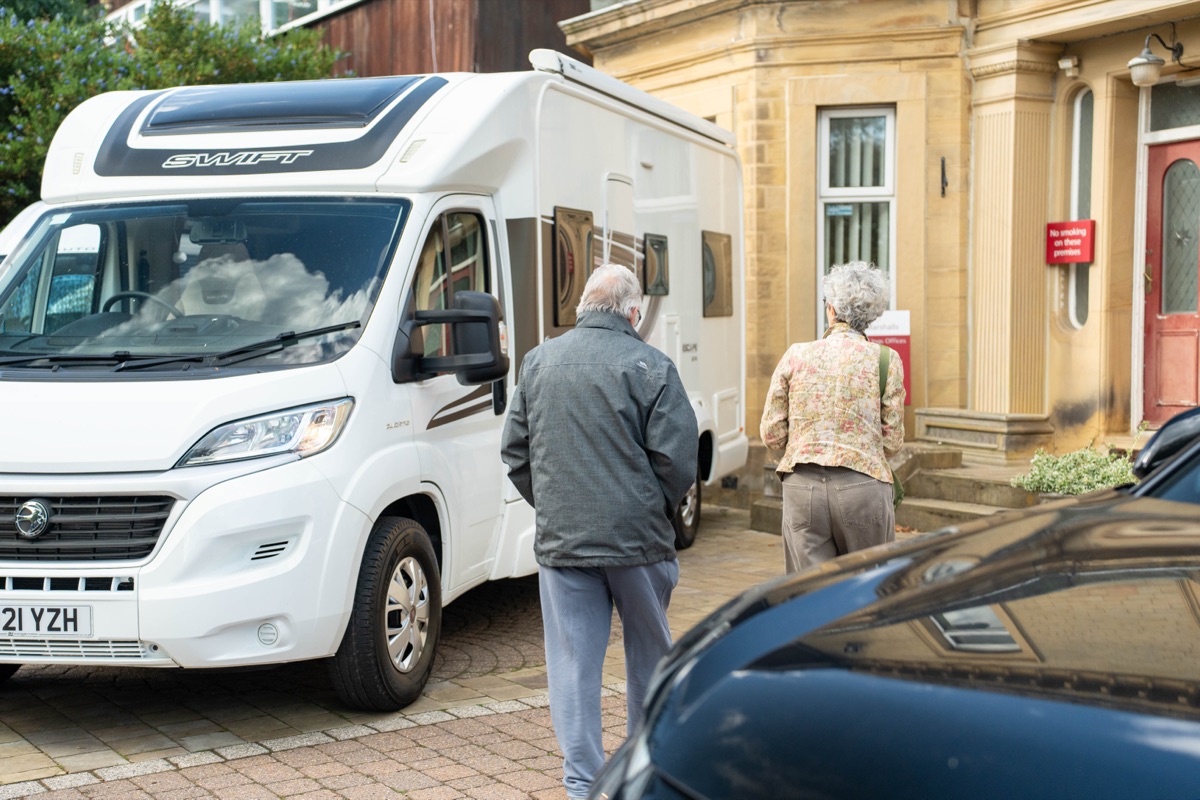
Written by the Motorhome Pig team and bylined to founder Gary Cheetham, who has spent more than 30 years in the motor trade (MCEA Registered, licensed MOT tester, AWS NCC-trained mobile caravan engineer). This article is general guidance, not legal advice: the scope of a habitation check depends on the inspection, and warranty, insurance and contractual conditions vary by vehicle, so owners should check the requirements that apply to their own motorhome. The photographs show viewings at our Halifax office, not habitation checks. The claim that our instant valuation platform was the UK’s first of its kind was reported by Prolific North in July 2026. Published 19 October 2026; last updated 19 October 2026.
Selling a motorhome without a habitation certificate?
Start with a realistic idea of what it could be worth. Or talk it through first, and the Pigs will help you work out what buyers will want to know.
No upfront cost · No sale, no fee · One central UK team, 7 days a week