
How to price your campervan to sell: 8 things to check before setting your asking price
If you’re thinking about selling your campervan, deciding what to ask for it can be one of the hardest parts. Go too low and you could be giving away money unnecessarily. Go too high and you risk spending weeks waiting for enquiries, only to reduce the price later.

By Gary CheethamFounder, Motorhome Pig · 30+ years in the motor trade · MCEA Registered · Licensed MOT tester · AWS NCC Trained Mobile Caravan Engineer
· Last updated 19 October 2026 · 8 min read
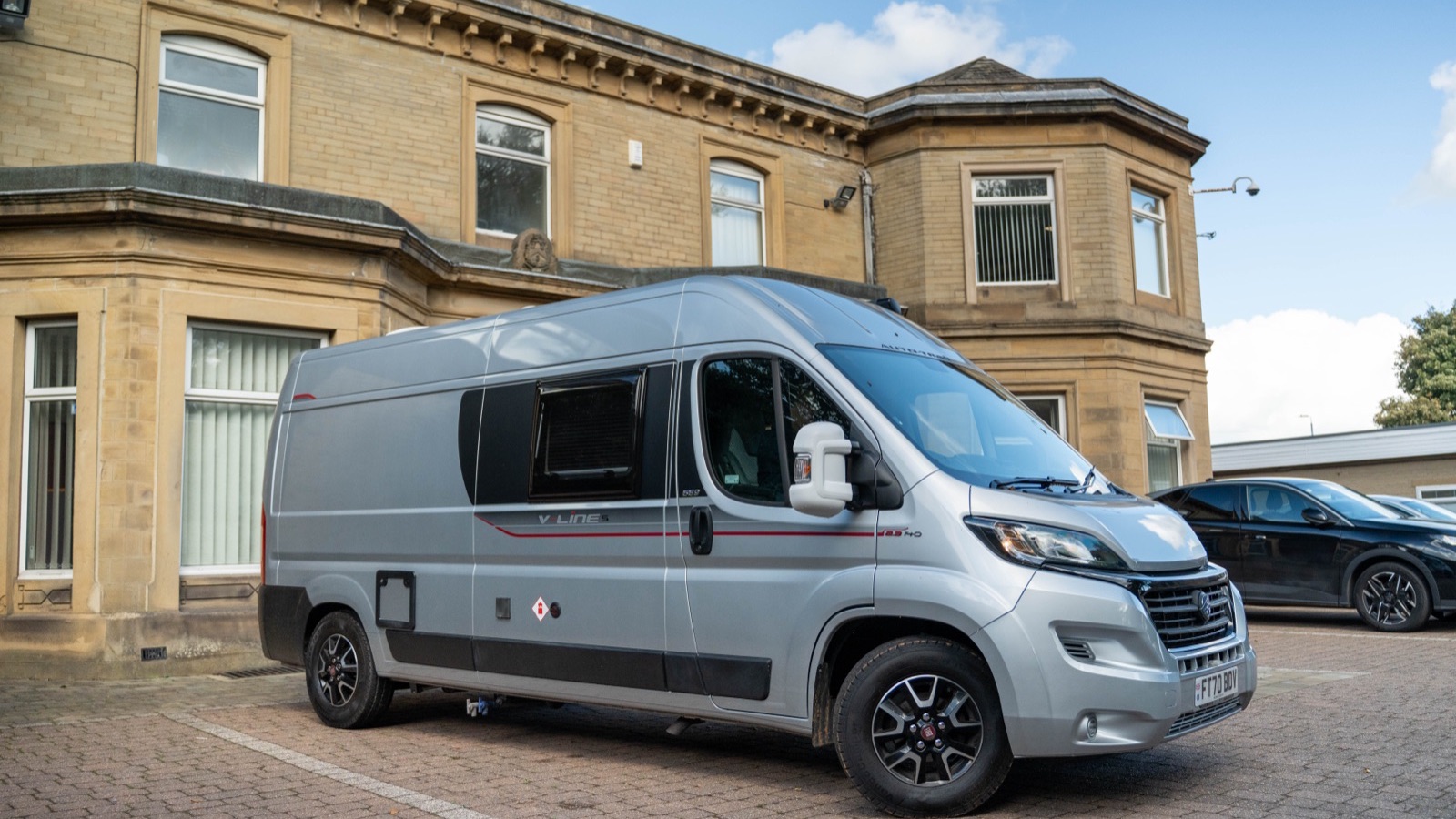
Summary: Pricing a campervan to sell in the UK means comparing it with genuinely similar vans on age, mileage, layout, condition, conversion and history, rather than with the most expensive advert or the price the owner originally paid. In Motorhome Pig’s own listings from January to August 2026, 57% of campervans needed a price reduction before selling compared with 40% of motorhomes, yet campervans that were priced correctly sold just as quickly, so getting the starting figure right matters more than the type of vehicle.
To price a campervan to sell, compare it with genuinely similar vans on age, mileage, layout, condition, specification and conversion quality. Treat advertised prices as a guide rather than a sale price, account for its service history, and set the figure by today’s market rather than by what was paid. Then watch how buyers respond once the advert is live, and be prepared to adjust.
And right now, getting that starting figure right matters.
Motorhome Pig looked at the 1,528 motorhomes and campervans it brought to market between January and August 2026. 57% of campervans needed a price reduction before they sold, compared with 40% of motorhomes. When campervan owners did reduce their price, the typical reduction was around 10%.
That doesn’t mean campervan values are falling. And it certainly doesn’t mean you should automatically knock 10% off whatever you think yours is worth. In fact, once they’re priced correctly, we’re seeing campervans sell just as quickly as motorhomes.
So the buyers are there. The important bit is giving yourself the best chance of finding them.
And while many of the same things affect the value of motorhomes and campervans, we’ve looked specifically at campervans here because our latest figures show their owners are having to adjust their original asking prices more often.
- In Motorhome Pig’s listings from January to August 2026, 57% of campervans needed a price reduction before selling, compared with 40% of motorhomes.
- Where campervan owners reduced, the typical reduction was around 10%. That is not a reason to knock 10% off before advertising.
- Priced correctly, campervans sold just as quickly as motorhomes. The buyers are there; the starting figure is what needs getting right.
- Compare with genuinely similar campervans on age, mileage, layout, condition, specification and conversion quality, not just make and model.
- What an upgrade cost is not what it adds. Price by today’s market, not by the purchase price or money spent since.
1. Which campervans should I compare mine with?
Compare a campervan with vehicles that are as close as possible to it in age, mileage, layout, condition and specification, not simply the same make and model. For a converted van, the quality and type of conversion matters too. The closer the comparison, the more useful it becomes as a guide to a realistic asking price.
It’s easy to search for your make and model online, spot the most expensive one and use that as your benchmark, but make and model are only the beginning.
Try to find campervans that are as close as possible to yours in age, mileage, layout, condition and specification. If yours is a conversion, the quality and type of conversion matters too.
The closer the comparison, the more useful it becomes.
If you want to understand the different things that can affect a vehicle’s valuation in more detail, we’ve also put together a guide to the 12 things that affect how much your motorhome is worth.
2. How useful are advertised prices?
Advertised prices for similar campervans are one of the most useful guides when setting an asking price, provided the comparison is like for like. An advertised price is the starting point for a sale rather than a guarantee of the final figure, so current adverts show what else buyers can choose from, not what those vans sold for.
Looking at similar campervans for sale is one of the most useful things you can do when deciding on your own asking price, but make sure you’re comparing like with like.
Age, mileage, condition, specification and the quality of any conversion can all mean that two campervans which look similar at first glance are actually valued quite differently.
It’s also worth remembering that an advertised price is the starting point for a sale, rather than a guarantee of the final figure.
So use current adverts to understand what else is available to buyers within your price range, alongside the other factors that make your own campervan more or less valuable.
3. How much do mileage and condition matter?
Two otherwise identical campervans can be worth different amounts because of how they have been used and looked after. Mileage matters, but so does condition: bodywork, interior, tyres, mechanical condition and the smaller signs of wear. A well-cared-for vehicle with good history gives a buyer confidence when they are spending tens of thousands of pounds.
Mileage matters, but so does condition.
Look at yours as objectively as you can. Think about the bodywork, interior, tyres and mechanical condition, as well as the smaller signs of wear that naturally build up when you’ve enjoyed a campervan for a few years.
A well-cared-for vehicle with good history can give a buyer confidence, particularly when they’re spending tens of thousands of pounds.
- Bodywork
- Interior
- Tyres
- Mechanical condition
- The smaller signs of wear that build up over a few years of use
4. Does service and maintenance history affect the price?
Yes. A clear service and maintenance history helps a prospective buyer understand how a campervan has been looked after, and it can become very important when it is time to sell. Service records, MOT history, receipts for significant work and any relevant documentation should be gathered before the campervan is advertised.
Paperwork might not be the exciting part of campervan ownership, but it can become very important when it’s time to sell.
Gather your service records, MOT history, receipts for significant work and any relevant documentation before you advertise. It makes life easier later and can help reassure somebody considering your campervan.
If you’re getting everything ready for a sale, our Ultimate Motorhome Seller’s Checklist covers the other things worth sorting before your vehicle goes on the market.
5. Do the conversion and extras add value?
Layout, number of berths, pop-tops, heating, solar panels, leisure batteries, awnings and other equipment all affect how attractive a campervan is to a buyer, and for a converted van buyers also consider who carried out the conversion and its quality. But what an upgrade cost is not the same as how much it adds to the resale value.
Campervans aren’t all created equal.
For converted vans, buyers may also consider who carried out the conversion and its quality.
But there’s an important distinction between what you’ve spent on your campervan and how much that addition increases its resale value. An upgrade that cost you thousands won’t necessarily add the same amount to your eventual selling price.
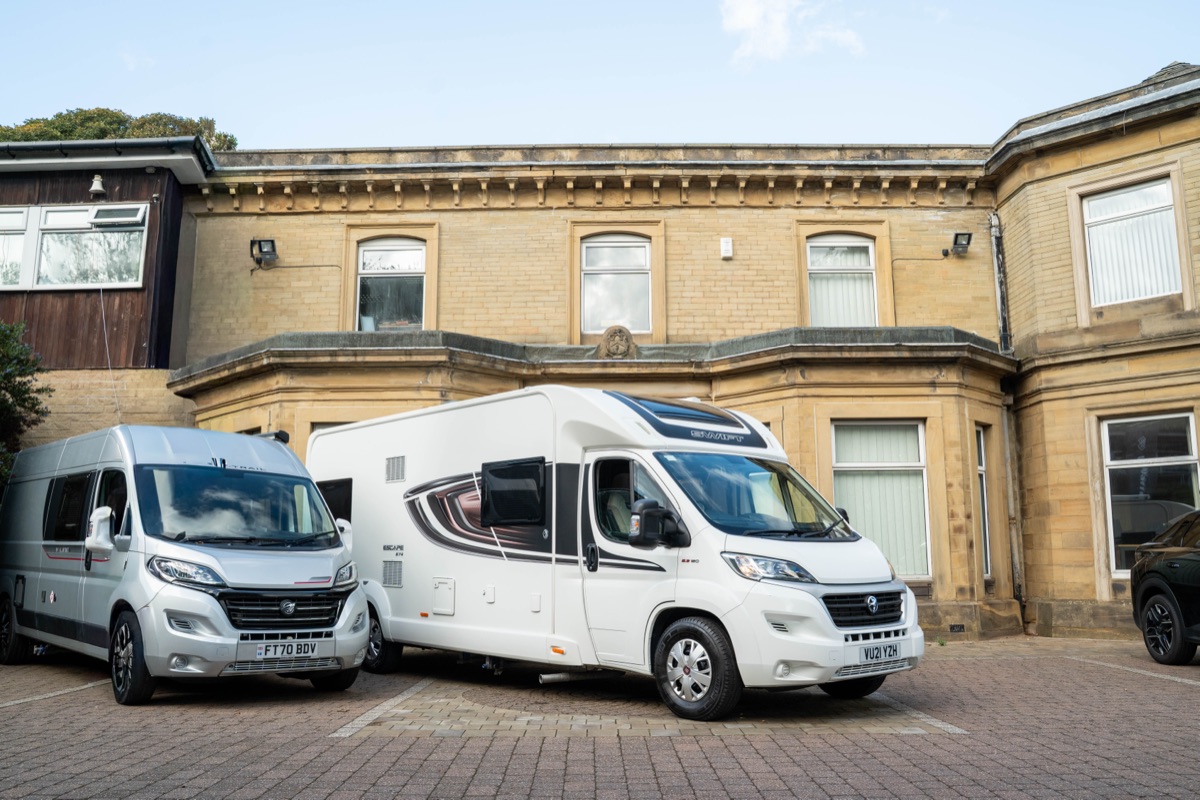
6. Should what I paid set the asking price?
Not on its own. The purchase price, the money spent since and the memories made in a campervan naturally shape the figure an owner has in mind. A buyer, though, is seeing it for the first time and comparing it with everything else within their budget today. The asking price should be set by today’s market rather than yesterday’s purchase price.
You know what you paid for your campervan. You know how much you’ve subsequently spent on it. And you’ve probably made some brilliant memories in it.
It’s completely natural for all of that to influence the figure you have in your head.
But when you’re selling, it’s worth looking at your campervan through a buyer’s eyes too. They’re seeing it for the first time and comparing it with everything else available within their budget today.
That doesn’t mean accepting less than it’s worth. It means using today’s market, rather than yesterday’s purchase price, to help set your expectations.
7. What should I watch once my campervan is advertised?
An asking price is not set in stone. Once the advert is live, give it time and watch the response. Plenty of views but no enquiries is a reason to look again at the advert and the price. One low offer is one person’s opinion, but several serious buyers independently offering around a similar figure says something about where buyers see the value.
Your asking price isn’t necessarily set in stone.
If plenty of people are viewing your advert but nobody is getting in touch, have another look at both the advert and the price.
Offers can be useful information too.
One low offer is just one person’s opinion. But if several serious buyers independently start making offers around a similar figure, it’s worth taking notice. You don’t necessarily have to accept them, but they can tell you something about where buyers currently see the value.
Equally, don’t panic after a few quiet days. Selling a campervan is a significant purchase for the person on the other side too.
If you’ve already been advertising for a while without success, don’t immediately assume dropping the price is your only option. We’ve covered eight things to check if your motorhome isn’t selling before you lower the price.
8. Does a price reduction mean something is wrong with my campervan?
No. In Motorhome Pig’s listings from January to August 2026, around two-thirds of campervans under five years old needed a price reduction before selling, compared with 43% of equivalent motorhomes. But once campervans were priced correctly, they sold just as quickly as motorhomes. A reduction is often part of finding the point where the right buyer is ready to say yes.
This is probably the biggest thing we’d want owners to take from what we’re currently seeing.
So if you do need to adjust your original asking price, it doesn’t necessarily mean you’ve bought the wrong campervan, that people don’t want it or that you’ve made a huge mistake with your valuation.
Sometimes it’s simply part of finding the point where the right buyer is ready to say yes.
And if you’re wondering how long that might take, we’ve also looked at how long it takes to sell a motorhome.
Needing to adjust the starting figure says something about the starting figure, not about whether buyers want the campervan. Priced correctly, campervans in Motorhome Pig’s listings sold as quickly as motorhomes.
How do campervans and motorhomes compare on pricing?
In Motorhome Pig’s listings brought to market between January and August 2026, campervan owners were more likely than motorhome owners to need a price reduction before selling, and the gap was wider among vehicles under five years old. Once the price was right, the two sold just as quickly.
| Measure | Campervans | Motorhomes |
|---|---|---|
| Needed a price reduction before selling | 57% | 40% |
| Needed a price reduction, vehicles under five years old | Around two-thirds | 43% |
| Typical reduction, where one was made | Around 10% | Not stated |
| Speed of sale once priced correctly | Just as quick as motorhomes | Just as quick as campervans |
Read across the rows and the difference is in the first asking price, not in demand: campervans more often started too high and needed adjusting, but once they reached the right figure they found buyers as quickly as motorhomes did.
The 10% figure describes what happened where campervan owners did reduce. It is not a rule that every campervan is overpriced by 10%, and it does not mean campervan values are falling.
So, how much is your campervan worth?
There is no single percentage or online advert that can answer that accurately for every campervan. Age, mileage, condition, history, specification, conversion and what else is available to buyers all play a part. The aim is to find the point where a fair price for the seller meets good value for the person buying it.
The aim isn’t to find the highest number you can justify. And it certainly isn’t to give your campervan away cheaply.
It’s to find the point where a fair price for you meets good value for the person buying it.
Get that right and, from what we’re seeing, there are still plenty of buyers out there.
Motorhome Pig’s AI-powered instant motorhome valuation platform, reported by Prolific North in July 2026 as the first of its kind in the UK, can give you an instant valuation based on your own vehicle, giving you a useful starting point before deciding what to ask for it.
Want to know what your campervan could achieve today?
Sell my motorhomeFrequently asked questions about pricing a campervan
How do I know what my campervan is worth?
Start by comparing the campervan with genuinely similar vehicles, taking into account its age, mileage, condition, layout, specification, service history and, where relevant, the quality of its conversion. Online adverts can be useful, but they show asking prices rather than what those vehicles eventually sell for. An instant valuation can also give a useful starting point based on the owner's own vehicle.
Do campervans hold their value?
There is no one rule for every campervan. Age, mileage, condition, specification, conversion quality and wider supply and demand all affect resale value. Motorhome Pig's listing data from January to August 2026 should not be read as evidence that campervan values overall are falling. What it shows is that campervan sellers were more likely than motorhome sellers to adjust their original asking price before finding a buyer.
Should I reduce the price of my campervan if it isn't selling?
Not automatically. A quiet few days does not necessarily mean a campervan is overpriced. Give the advert time and look at the response. If people are seeing it but not enquiring, or several serious buyers are making offers around a similar figure, it may be worth reviewing the asking price. Before reducing it, check the advert itself, the photographs, the description and anything else that could be putting buyers off.
What affects the resale value of a campervan?
Some of the biggest factors are age, mileage, condition, service and maintenance history, layout, specification, conversion quality and current buyer demand. Upgrades and extras can make a campervan more desirable, but spending £1,000 on an improvement will not automatically add £1,000 to its resale value.
How often do campervans need a price reduction before they sell?
Across the 1,528 motorhomes and campervans Motorhome Pig brought to market between January and August 2026, 57% of campervans needed a price reduction before they sold, compared with 40% of motorhomes. Where campervan owners did reduce, the typical reduction was around 10%. Once priced correctly, campervans sold just as quickly as motorhomes, so a reduction reflects the starting figure rather than a lack of buyers.
Keep reading
How much is it worth?
The twelve things that affect a motorhome’s value.
Why isn’t it selling?
Eight things to check before you lower the price.
How long it takes to sell
What a realistic selling timeline looks like.
Written by the Motorhome Pig team and bylined to founder Gary Cheetham, who has spent more than 30 years in the motor trade (MCEA Registered, licensed MOT tester, AWS NCC-trained mobile caravan engineer). The pricing figures come from Motorhome Pig’s own listings: the 1,528 motorhomes and campervans we brought to market between January and August 2026. They describe how often asking prices were adjusted before a sale, not what campervans are worth in general, and should not be read as evidence that campervan values are falling. The claim that our instant valuation platform was the UK’s first of its kind was reported by Prolific North in July 2026. Published 19 October 2026; last updated 19 October 2026.
What should you ask for your campervan?
Start with a valuation based on your own vehicle, or talk it through with the team first and we'll tell you what we're seeing in the market.
No upfront cost · No sale, no fee · One central UK team, 7 days a week